

At first glance, Malta may look like a tiny dot on the map of the Mediterranean Sea. Yet, this small island nation holds an extraordinary wealth of history, culture, architecture and natural beauty. Located south of Sicily and just off the coast of North Africa, Malta has occupied a strategic position at the crossroads of Mediterranean civilisations for thousands of years. Its location brought traders, sailors, empires and diverse cultures to its shores, each leaving behind a fascinating legacy that continues to shape the islands today.
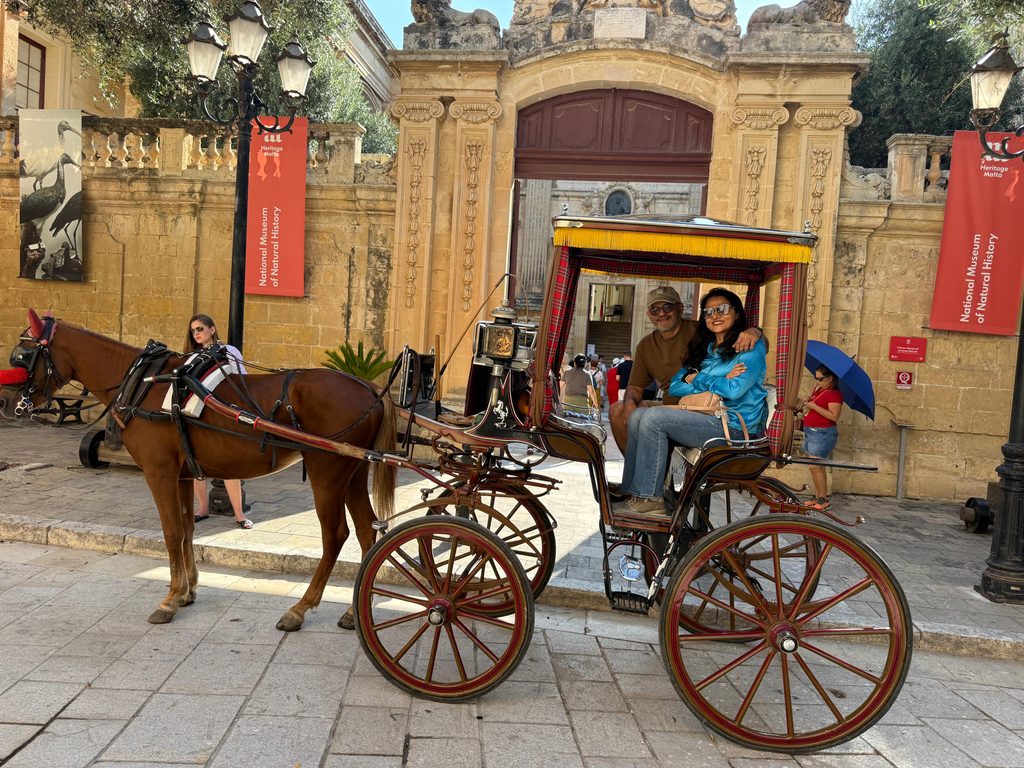
With a history spanning more than 7000 years, Malta is home to some of the world’s oldest prehistoric temples, many of which predate the Egyptian pyramids. For travellers, the destination offers an intriguing combination of medieval fortresses, UNESCO-listed heritage, honey-coloured limestone villages, picturesque harbours and brilliant blue waters. Malta offers an extraordinary range of experiences within a relatively compact area, making it ideal for travellers looking to combine culture, exploration, relaxation and authentic local experiences in a single holiday.
An ideal stay in Malta should comprise at least five days, allowing sufficient time to discover its three principal islands: Malta, Gozo and Comino. Each has a distinct personality, offering something different – from the architectural splendour of the capital to the countryside charm of Gozo and the turquoise waters surrounding Comino.
Discovering Malta: A Compact Destination with an Extraordinary Past
One of Malta’s greatest advantages is its accessibility. Malta International Airport is small and easy to navigate, while many of the island’s major attractions lie just a 20–40-minute drive away, depending on traffic and the destination.
During our visit, we had the privilege of staying at a five-star hotel in Attard, a centrally located town that offers convenient access to different parts of the island. Whether you wish to explore historic towns, unwind along the coast or discover traditional Maltese villages, getting around Malta is relatively easy, allowing you to experience several highlights within a short drive.
For independent travellers, ride-hailing applications and local public transport provide useful options. However, while Malta may appear easy to navigate, making the most of the destination requires thoughtful planning. Understanding which places to combine, how much time to spend at each attraction and which experiences are worth prioritising can make a significant difference to the overall holiday.
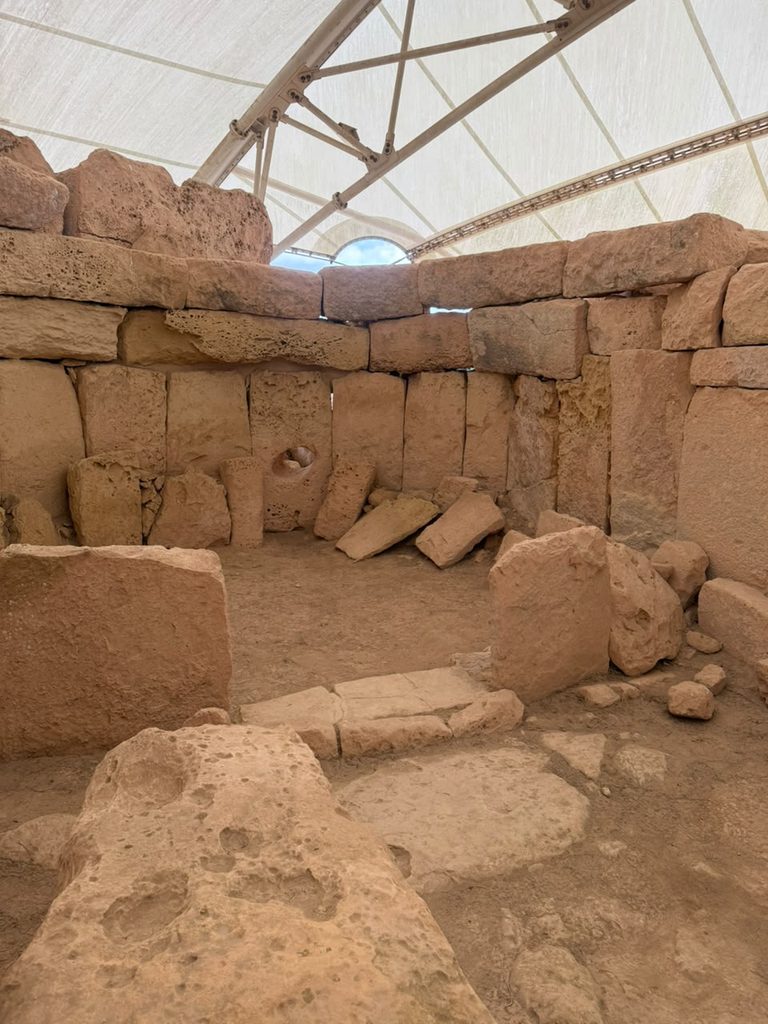
This is where a well-curated itinerary comes into play. Whether your interests lie in history and architecture, island hopping, coastal adventures, local cuisine or authentic village experiences, Malta offers plenty of opportunities to create a journey tailored to your interests. History enthusiasts can also explore the prehistoric Temples of Ħaġar Qim on Malta’s southern coast, an extraordinary archaeological site offering a glimpse into a civilisation that existed thousands of years ago. With the right planning, every experience can become a meaningful part of your journey. The experts at Namaste Tourism can help you discover Malta through a personalised itinerary tailored to your interests, preferences and travel style.
Valletta: A Capital Steeped in History
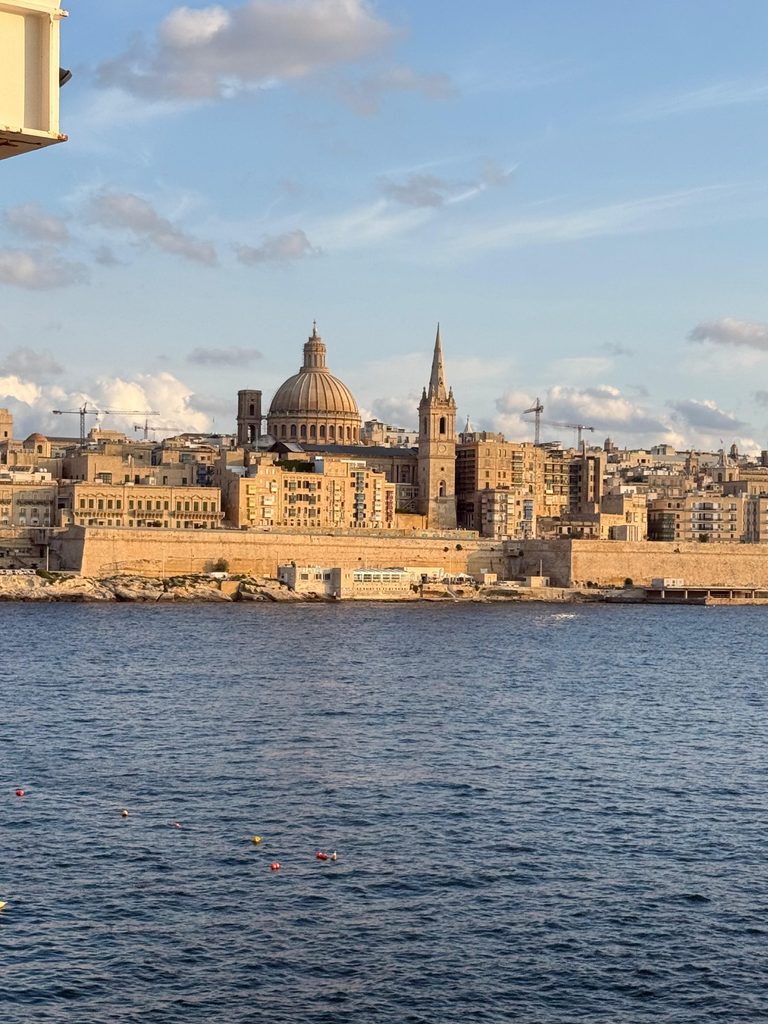
The journey through Malta naturally begins in Valletta, its magnificent capital city and a UNESCO World Heritage Site. Built by the Knights of St John in the 16th century, Valletta is a remarkable showcase of Baroque architecture, historic churches, grand palaces and imposing fortifications.
Walking through its narrow streets is an experience in itself. The warm limestone buildings, colourful traditional Maltese balconies and charming cafés give the city a character that is both historic and distinctly Mediterranean. Every street seems to reveal another architectural detail, a hidden courtyard or a spectacular view of the surrounding harbour.
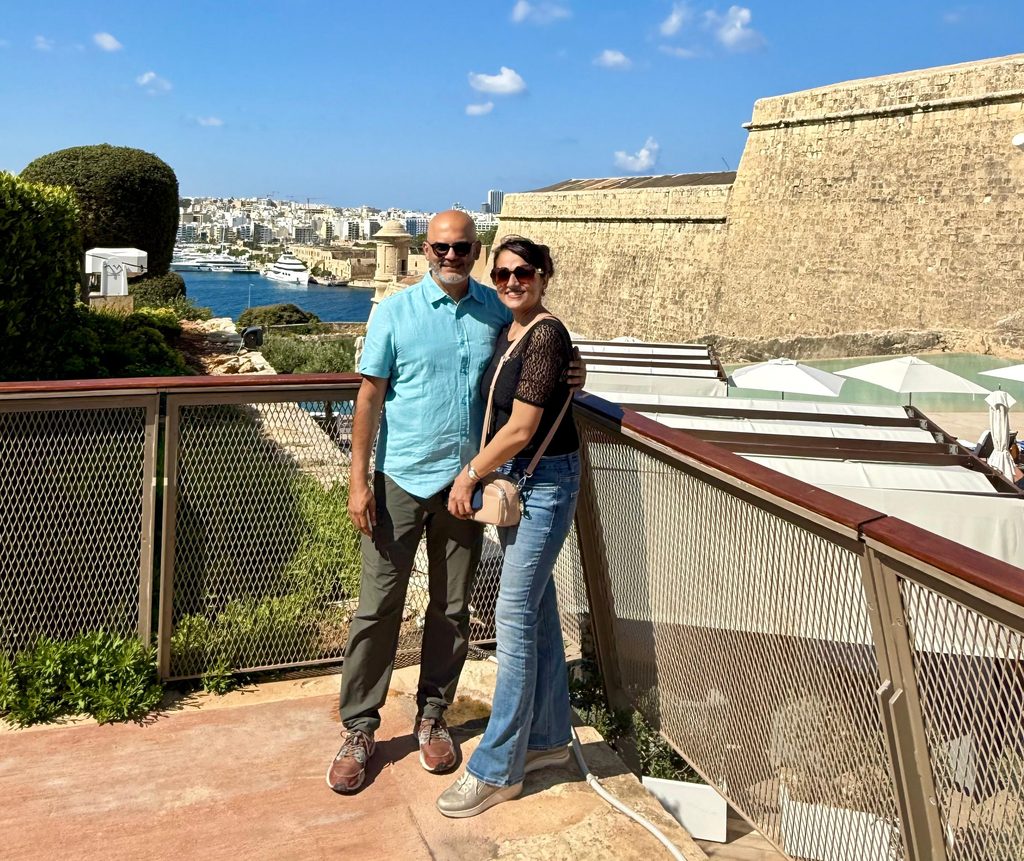
Valletta is also an excellent place to slow down and appreciate the rhythm of local life. Take time to explore its independent shops, stop for a coffee, visit its historic landmarks and enjoy the views across the Grand Harbour.
One of the city’s most beautiful features is its relationship with the sea. From its elevated viewpoints, you can appreciate the natural harbours that made Malta such an important strategic and maritime centre throughout history.
The city is equally fascinating for its religious and artistic heritage. St John’s Co-Cathedral, with its magnificent Baroque interiors, houses Caravaggio’s celebrated The Beheading of Saint John the Baptist, while its museum offers further insight into Malta’s artistic treasures. The Church of St Paul’s Shipwreck commemorates the Apostle Paul’s arrival on the island following his shipwreck, an event central to Malta’s Christian heritage. Malta’s deep-rooted Catholic traditions and historic ties to the papacy are evident in its magnificent churches, religious landmarks and enduring cultural heritage.
The Three Cities: A Journey into Malta’s Maritime Heritage
Across the Grand Harbour from Valletta lie three historic fortified cities: Vittoriosa, Senglea and Cospicua. Collectively known as the Three Cities, they offer a fascinating glimpse into Malta’s past, particularly the period of the Knights of St John and the island’s long maritime history.
Although they sit close to one another, each city has its own character, making it worthwhile to explore them individually.
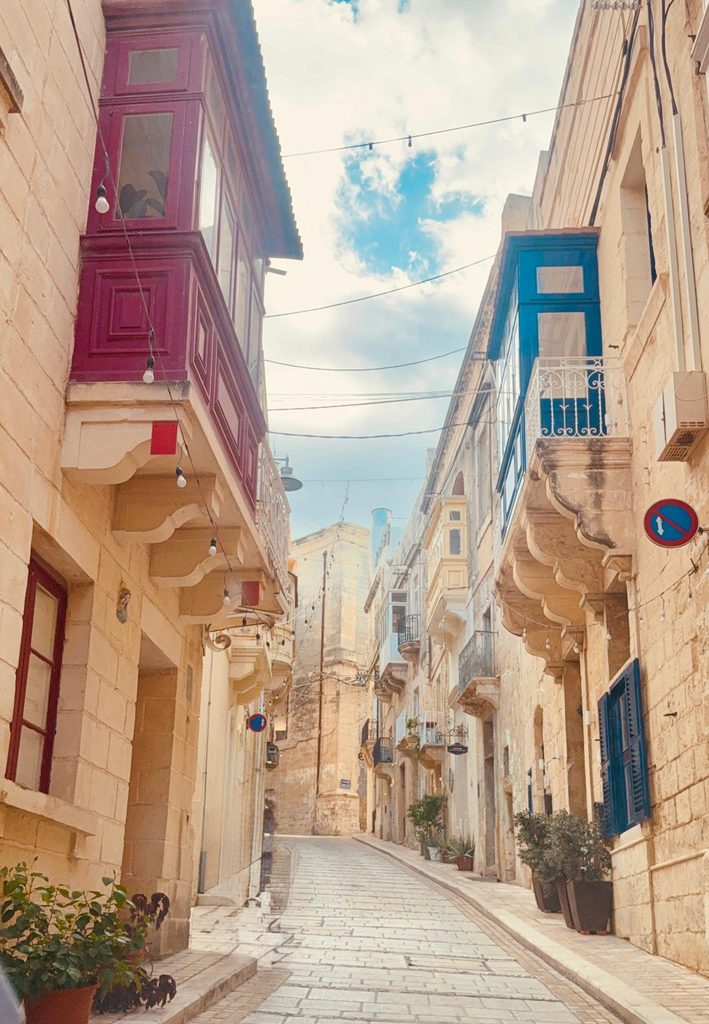
Vittoriosa, also known as Birgu, is arguably the most atmospheric of the three. It served as an important base for the Knights of St John before Valletta was built. Its narrow lanes, historic residences and waterfront create a sense of stepping back in time. One of its principal attractions is Fort St Angelo, a formidable fortress that played a significant role during the Great Siege of Malta in 1565.
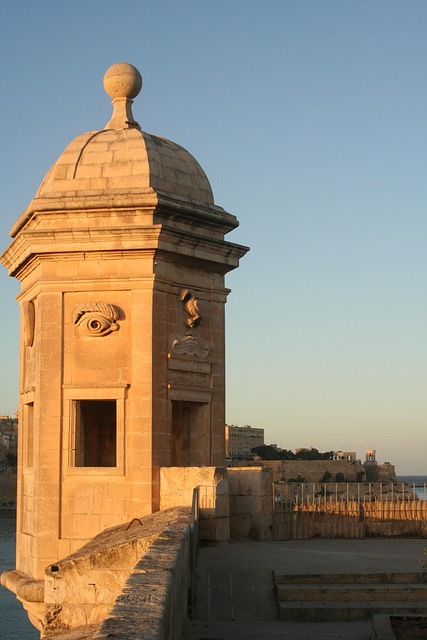
Senglea, also known as Isla, is a narrow peninsula with a beautiful waterfront setting and traditional streets. A highlight here is the Gardjola Gardens, where visitors can enjoy wonderful views across the Grand Harbour towards Valletta. The historic watchtower, decorated with symbolic carvings associated with vigilance and protection, is one of the area’s most recognisable features.
Cospicua, also known as Bormla, is the largest of the Three Cities. It boasts historic churches, impressive fortifications and a rich maritime heritage that reflects Malta’s longstanding connection with the sea. Its defensive heritage includes the Santa Margherita and Cottonera Lines, which formed part of Malta’s wider system of protection.
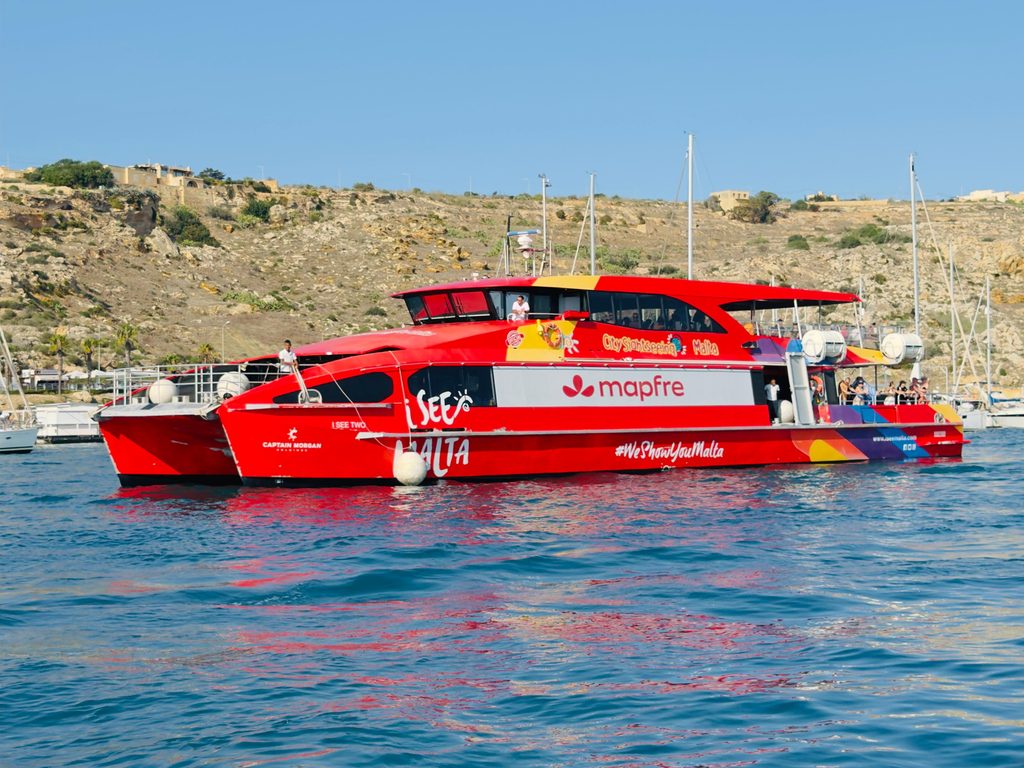
Exploring the Three Cities is particularly rewarding for travellers who enjoy discovering places beyond the main tourist circuit. Their historic streets, traditional waterfronts and quieter atmosphere offer a more intimate perspective on Malta. A short ferry ride across the Grand Harbour also provides a scenic way to experience the area.
Mdina: The Silent City and a Walk Through the Past
No visit to Malta would be complete without exploring Mdina, the beautifully preserved medieval walled city often referred to as the Silent City.
With its imposing gates, winding lanes, historic palaces and honey-coloured stone architecture, Mdina has a timeless quality that makes it one of the most memorable places on the island. Unlike the livelier streets of Valletta, Mdina has a distinctly peaceful atmosphere, inviting visitors to wander slowly and admire its architectural details.
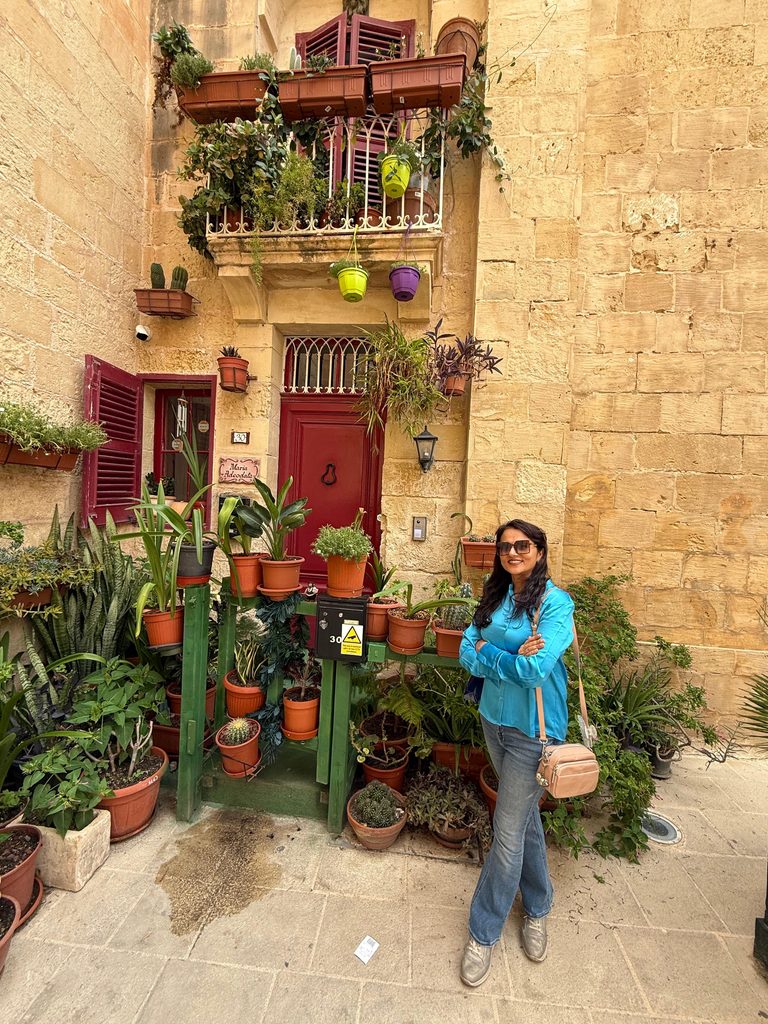
The city also has a fascinating connection to the world of film and television. In the first season of Game of Thrones, filmmakers used Mdina to portray King’s Landing. As you wander through its narrow, historic streets, you can appreciate the remarkably preserved medieval architecture and timeless charm that make Malta a favourite filming destination.
Malta brings together a wealth of cinematic experiences, and travellers who enjoy exploring famous filming locations can include these iconic spots in their itinerary to experience the magic of the big screen firsthand.
Fort Manoel: Discovering Malta Through the Lens of Game of Thrones
The Knights of St John built Fort Manoel, an impressive 18th-century, star-shaped fortress on Manoel Island in Marsamxett Harbour.. Designed as part of Malta’s extensive coastal defence system, the fort reflects the military engineering and strategic importance of the island during the period.
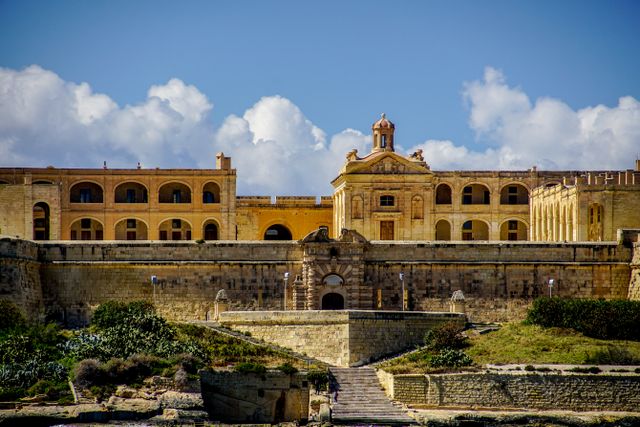
Its imposing stone walls, symmetrical design and dramatic setting make it a fascinating landmark in its own right. However, Fort Manoel has also gained international recognition among fans of Game of Thrones.
Filmmakers used the fort in the first season of Game of Thrones, particularly for scenes depicting the Great Sept of Baelor in King’s Landing. The memorable sequence involving Ned Stark makes Fort Manoel especially fascinating for fans eager to visit the real-world locations that brought the fictional world to life.
What makes Fort Manoel especially appealing is the way it brings together history, architecture and popular culture. Even for visitors unfamiliar with the series, the fortress offers an insight into Malta’s military heritage and the remarkable settings that have attracted international film productions to the island.
Before visiting, check the fort’s access arrangements, as restoration work or special opening schedules may restrict entry.
Hastings Gardens: Beautiful Views Over Valletta
For a quieter experience in the capital, Hastings Gardens is a lovely place to include in your exploration of Valletta.
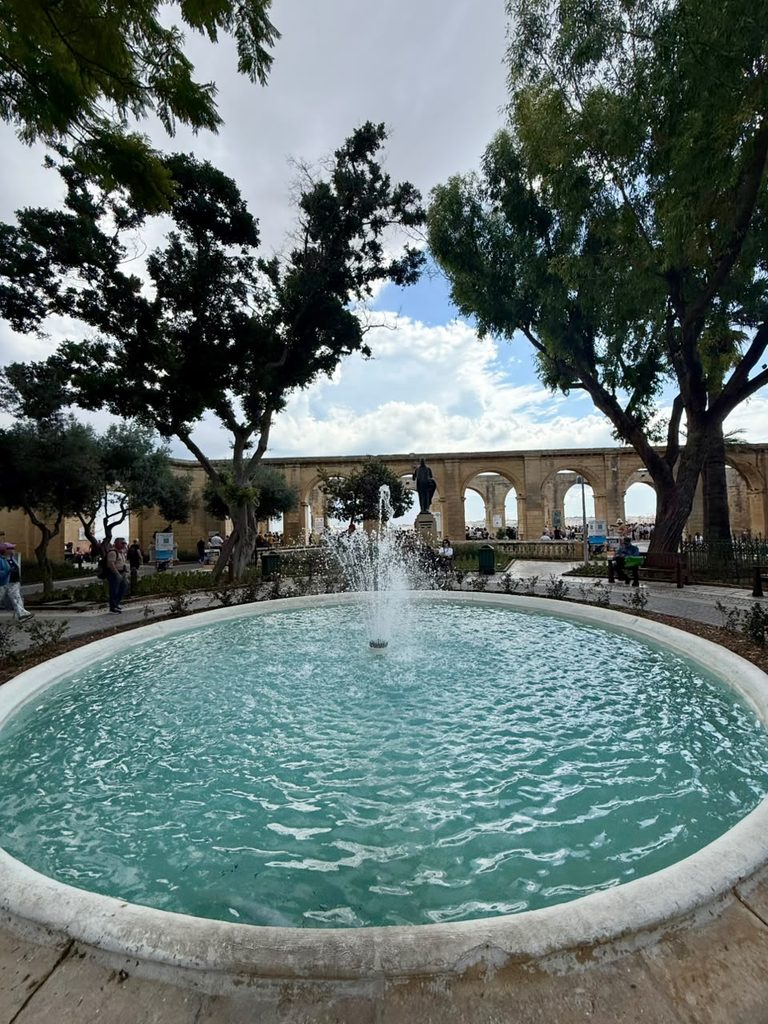
Located on the western side of the city, the gardens occupy part of Valletta’s historic fortifications and offer panoramic views across the surrounding landscape. From here, visitors can admire Floriana, the harbour area and the neighbouring towns beyond the capital’s defensive walls.
The gardens provide a welcome contrast to the busy historic streets. Their landscaped paths, greenery and peaceful atmosphere make them an inviting spot to pause during a day of sightseeing. They are particularly appealing for travellers who enjoy photography, scenic viewpoints and discovering quieter corners of a destination.
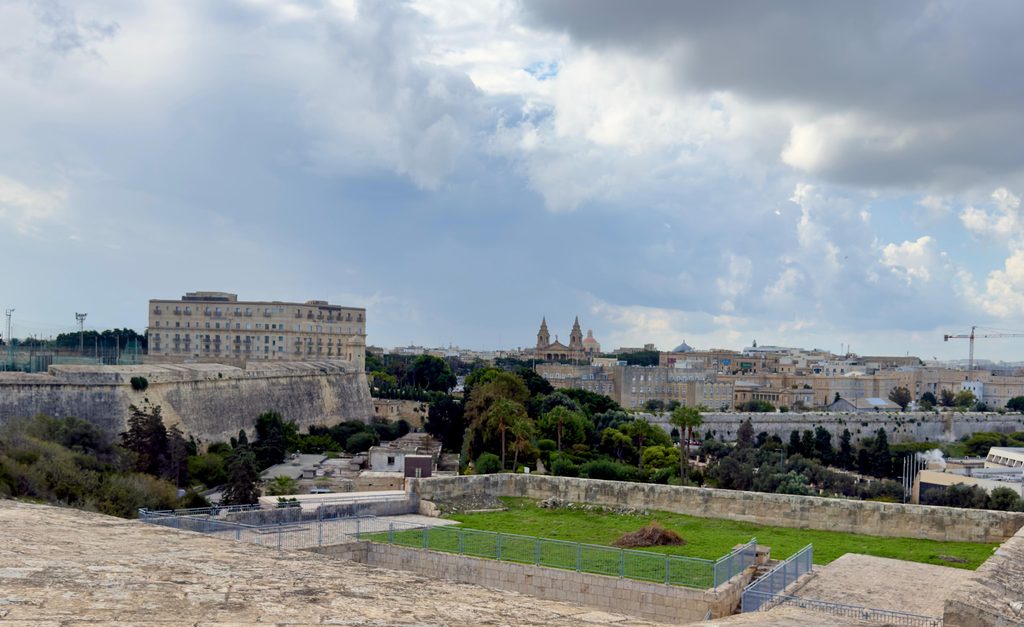
The views also allow visitors to appreciate Malta’s unique geography, revealing how the capital grew around its natural harbours and fortified peninsula.
For those exploring Valletta on foot, Hastings Gardens can be a pleasant addition to a walking route, especially when paired with the city’s historic streets, gardens and waterfront viewpoints.
St Julian’s: Where Malta Comes Alive After Dark
While Malta is steeped in history, it also has a lively contemporary side. For travellers who enjoy nightlife, restaurants and a more energetic atmosphere, St Julian’s is one of the island’s principal destinations.
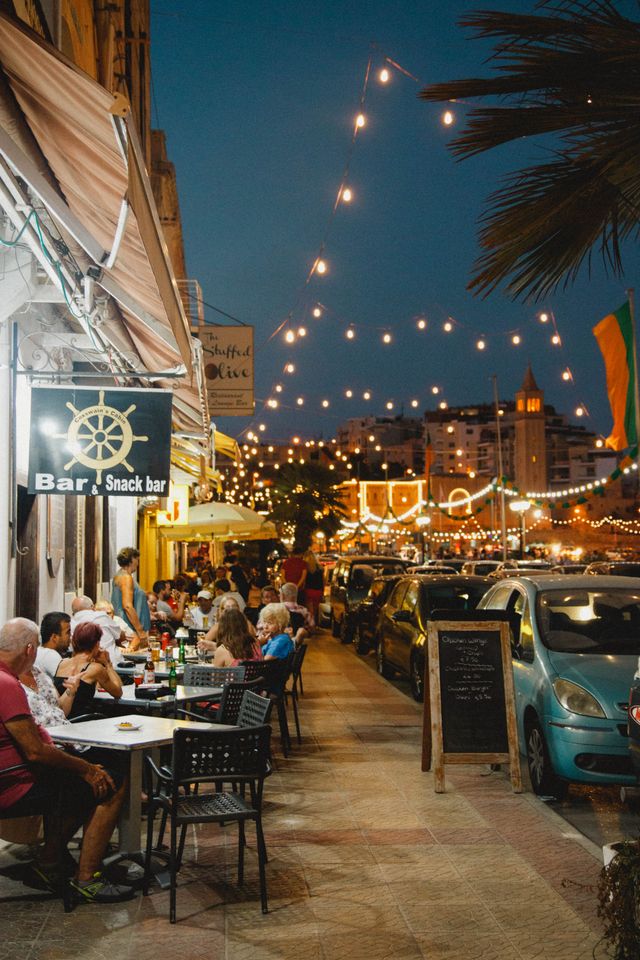
The neighbouring area of Paceville is particularly well known for its bars, clubs and late-night entertainment. With its concentration of nightlife venues, it is often compared to other Mediterranean party destinations, offering a very different experience from the quiet lanes of Mdina or the historic streets of Valletta.
St Julian’s is also home to a range of restaurants, cafés and waterfront establishments, making it a good choice for an evening out. Whether you prefer a relaxed dinner overlooking the sea or a night of music and dancing, the area offers plenty of options.
This contrast is part of Malta’s appeal: within a relatively short distance, visitors can move from centuries-old fortifications and peaceful gardens to a vibrant dining and nightlife scene.
Gozo: Countryside Charm, Salt Pans and Greek Mythology

While the main island offers the greatest concentration of historic attractions, Gozo presents a quieter, more laid-back side of Malta.
Known for its rural character, traditional villages, scenic countryside and relaxed pace of life, Gozo is ideal for travellers seeking a more immersive Mediterranean experience. During our visit, we wanted to explore the island differently, so we opted for a jeep safari and spent the entire day discovering its landscapes, coastal viewpoints and hidden corners.
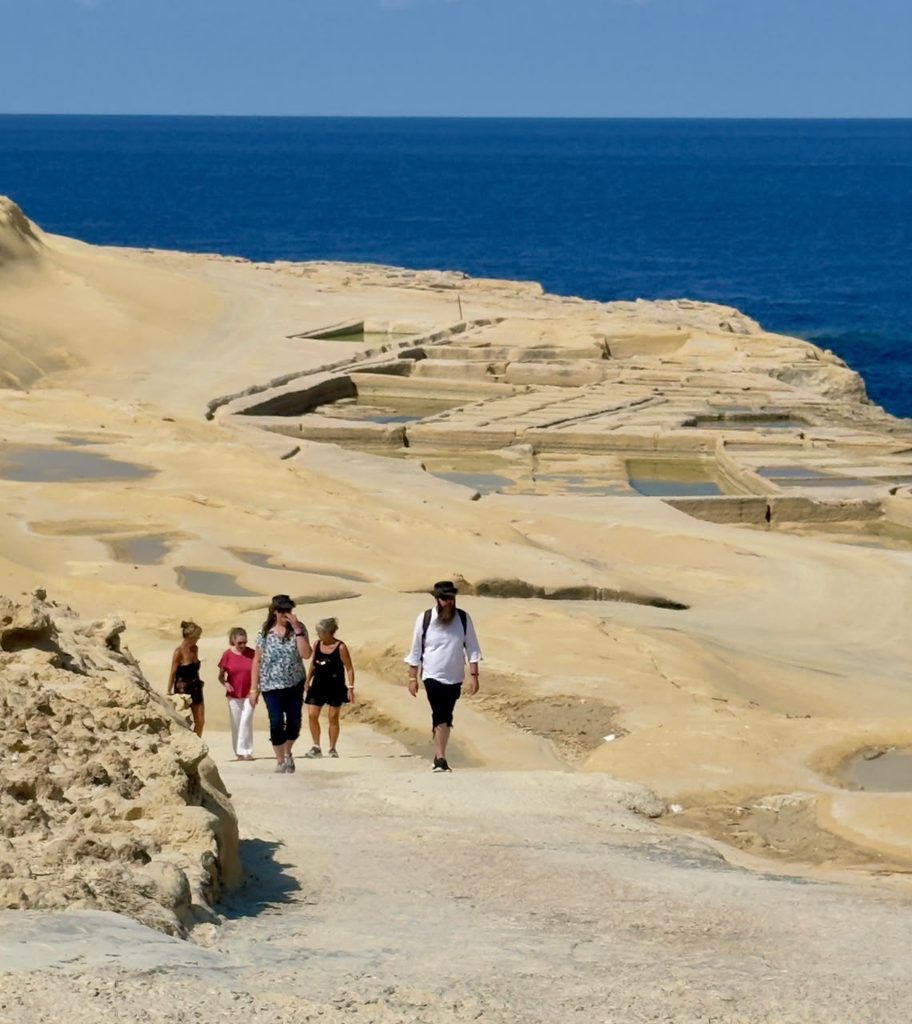
Along Gozo’s northern coastline, particularly around Xwejni Bay, traditional salt pans carved into the limestone create a striking landscape and reflect a centuries-old salt-harvesting tradition.
Gozo also has a fascinating connection to Greek mythology. Overlooking Ramla Bay, Calypso’s Cave is traditionally associated with the cave described in Homer’s Odyssey, where the nymph Calypso is said to have held Odysseus captive. This connection adds a touch of legend to the island’s natural beauty, making Gozo an intriguing blend of history, mythology and countryside charm.
Comino: Turquoise Waters and Island Adventures
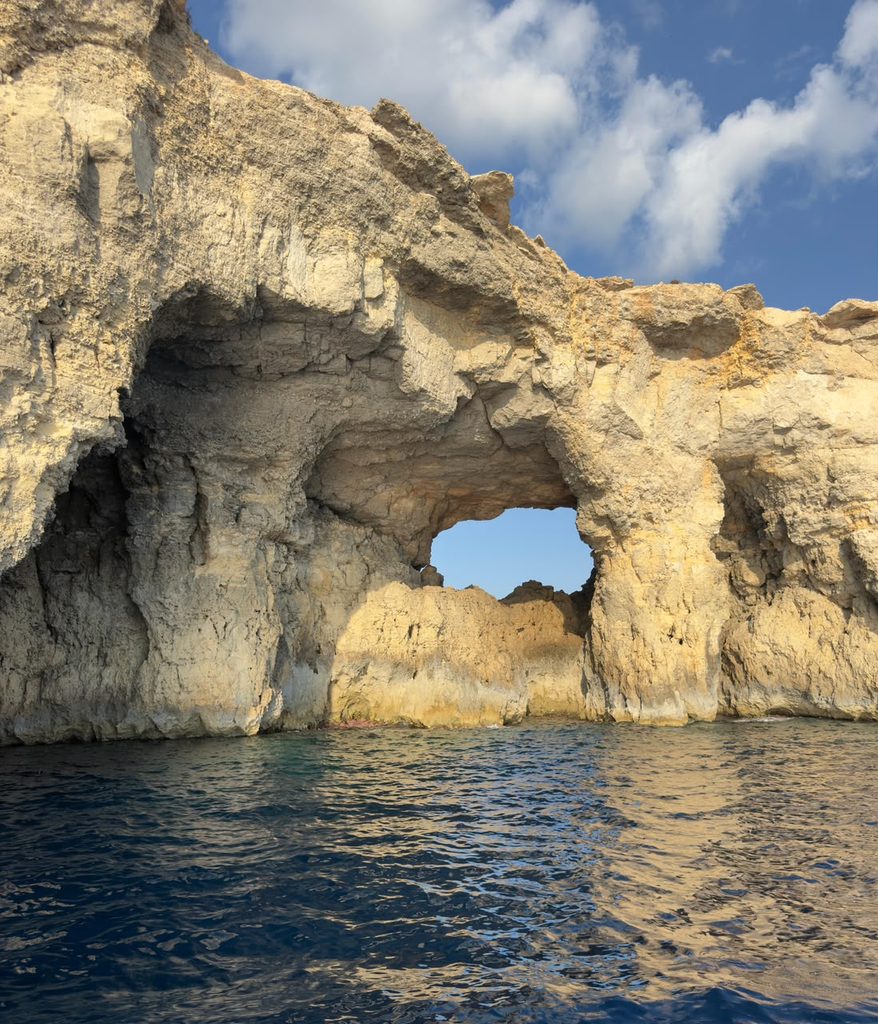
Comino, on the other hand, is particularly famous for its spectacular blue waters and the Blue Lagoon. Its striking shades of turquoise make it one of the most recognisable natural attractions in the Maltese Islands. A boat excursion or island-hopping experience can be a memorable addition to a Malta holiday, particularly for those who enjoy swimming, coastal scenery and time on the water.
The two islands offer contrasting experiences, which is why allowing enough time for them is important. Rather than treating Malta as a destination that can be covered in a day or two, it is worth planning a stay that balances the main island’s heritage with the natural beauty and slower pace of its neighbours.
A Taste of Malta: Seafood, Fishing Villages and Local Experiences
Food is an essential part of discovering Malta, and the island’s Mediterranean location is reflected in its culinary traditions. Fresh seafood, locally sourced produce, traditional dishes and influences from neighbouring Mediterranean cultures all contribute to the dining experience.
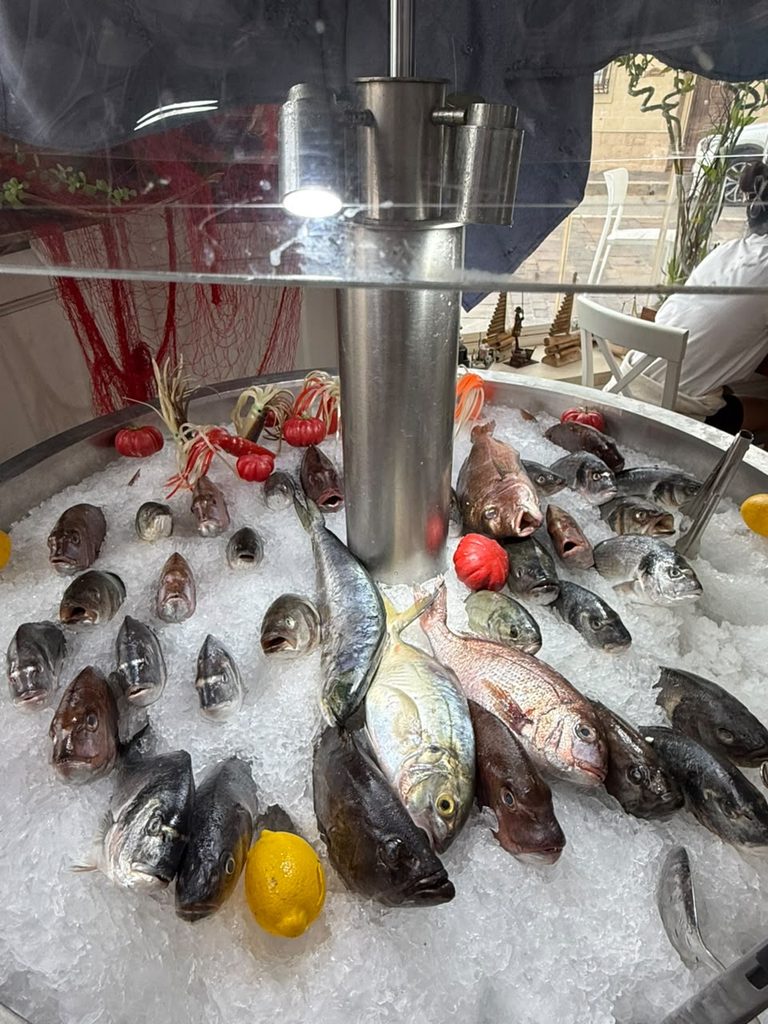
For seafood lovers, a visit to a traditional fishing village such as Marsaxlokk is particularly rewarding. Known for its colourful fishing boats and waterfront atmosphere, Marsaxlokk offers an opportunity to experience a more traditional side of Maltese life while enjoying freshly prepared fish and seafood.
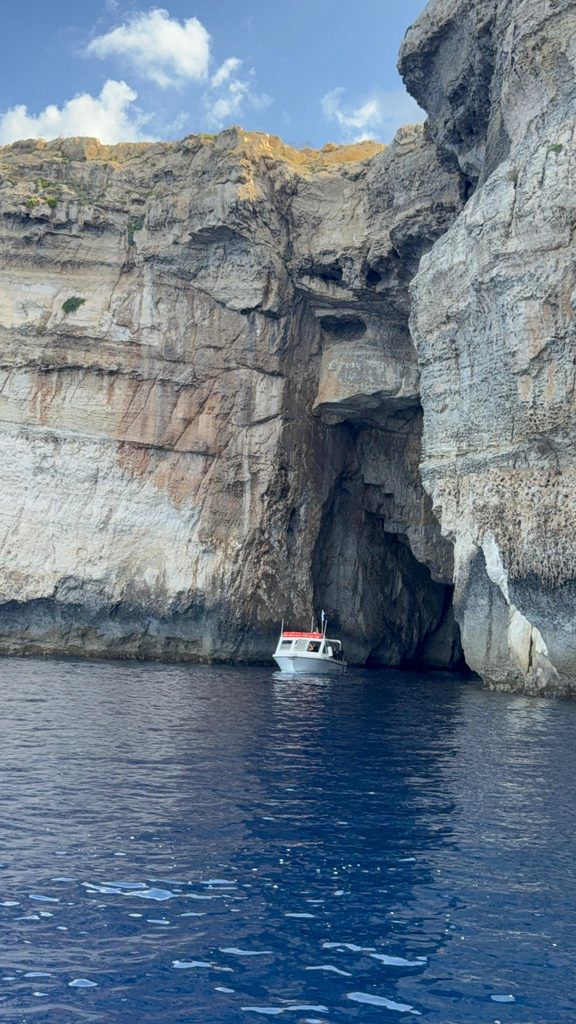
Malta’s coastline also offers spectacular natural scenery, particularly at the Blue Grotto on the southern coast near Wied iż-Żurrieq. Famous for its dramatic sea caves and brilliant blue waters, it is best explored on a boat trip when sea conditions permit.
Beyond the restaurants, exploring local markets, stopping at neighbourhood cafés and sampling Maltese specialities can add depth to the journey. These are the experiences that often become the most memorable parts of a holiday: the meal enjoyed by the waterfront, the conversation with a local, or the unexpected discovery of a charming village along the way.
Malta is a destination that rewards curiosity. Its compact size makes it possible to combine major landmarks with smaller, more personal experiences without spending excessive time travelling between locations.
Planning Your Malta Holiday: Why a Curated Itinerary Matters
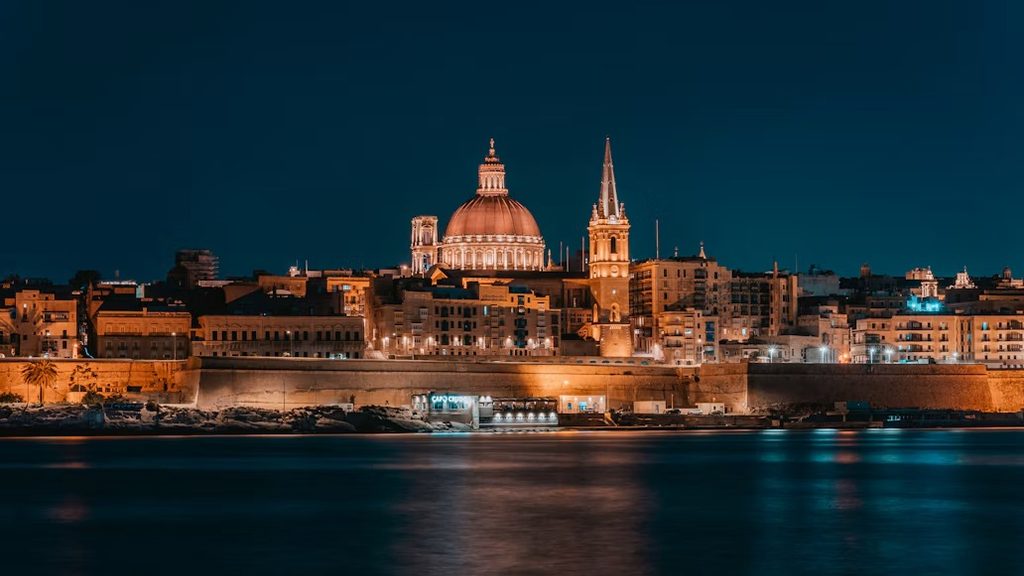
Malta may be small in size, but its range of experiences is remarkably diverse. From Valletta’s architectural grandeur and the fortified Three Cities to Mdina’s medieval charm, Fort Manoel’s cinematic connections, Hastings Gardens’ scenic views and the natural beauty of Gozo and Comino, there is much more to discover than one might initially expect.
A minimum of five days is a useful starting point for exploring the principal highlights, although travellers with more time can enjoy a slower and more immersive experience.
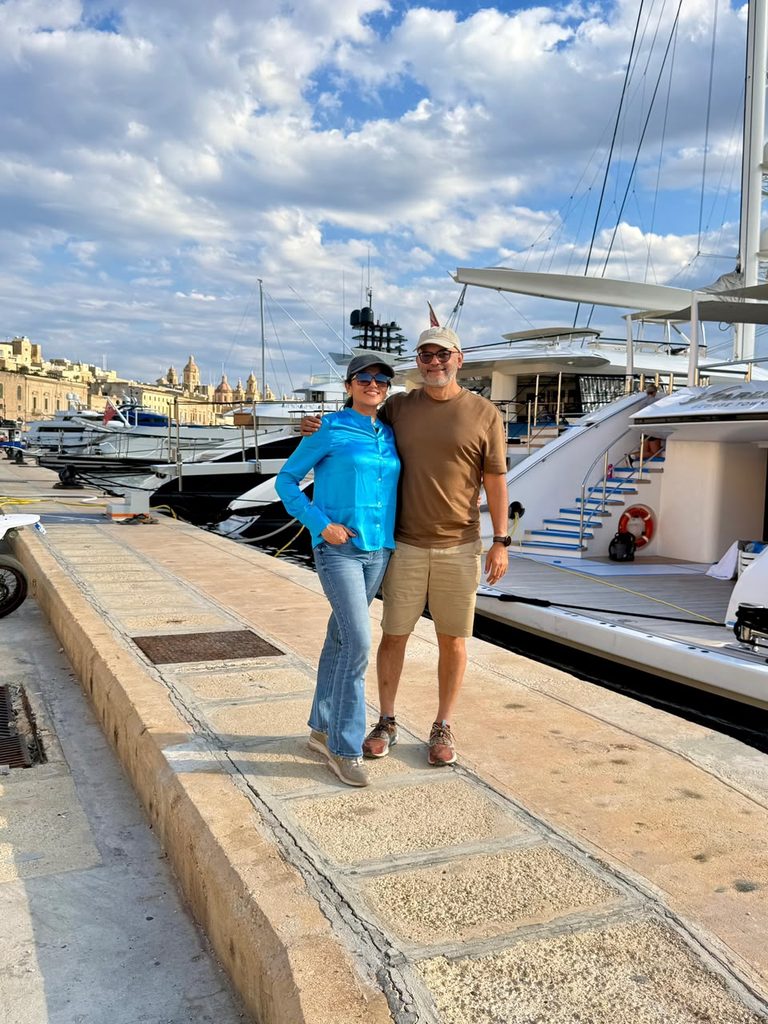
The key is to structure the itinerary thoughtfully. History enthusiasts may prefer to devote more time to Valletta, Mdina and the Three Cities. Travellers seeking coastal experiences may wish to prioritise Gozo, Comino and the fishing villages. Those interested in food, local culture or nightlife can incorporate experiences that reflect their personal preferences.
At Namaste Tourism, we believe that travel is about more than simply ticking attractions off a list. It is about understanding a destination, choosing the right experiences and creating a journey that reflects the traveller’s interests, pace and expectations.
Malta is a wonderful example of a destination where thoughtful curation can make all the difference. Its combination of ancient history, maritime heritage, Mediterranean cuisine, cinematic landmarks and extraordinary coastal scenery offers the opportunity to create a holiday that feels both enriching and memorable.
Three islands, thousands of years of history and a world of experiences waiting to be discovered — Malta may be small on the map, but it leaves a lasting impression on those who take the time to explore it.
For inspiration on unique holiday ideas, I invite you to read about Greenland, Iceland, Thailand, Dolomites, The Legendary Silk Route Train Journey, Mongolia, Offbeat Italy, Albania and many more exciting destinations waiting to be discovered in a truly experiential way.