
There are certain places that stay with you long after you’ve left them. Destinations that quietly find a place in your heart and years later, begin calling you back. For me, the Dolomites have always been one of those places.
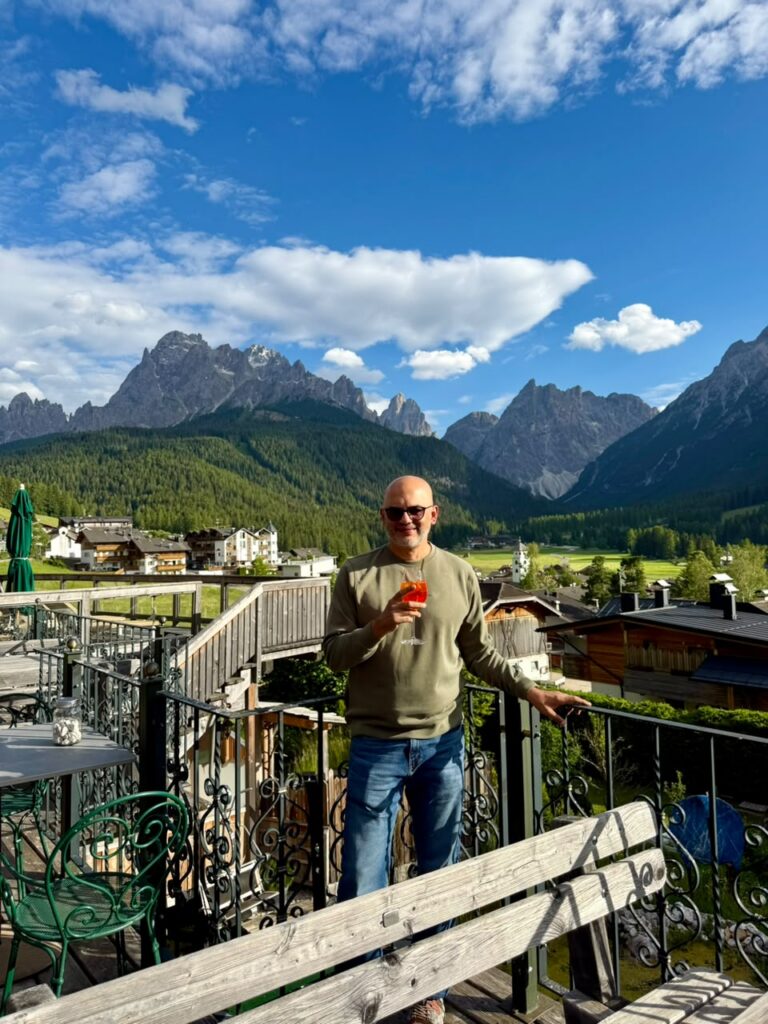
Almost a decade had passed since my previous visit. Back then, I had explored the beautiful region of Alta Badia, long before the Dolomites became one of Europe’s most sought-after mountain destinations. As our journey into South Tyrol began this time, I wasn’t simply ticking another destination off my list, I was returning to a place that had left an unforgettable impression on me.
Within minutes of entering the region, I remembered exactly why.
Jagged limestone peaks pierced the sky. Emerald valleys stretched endlessly into the distance. Wildflowers carpeted alpine meadows, crystal-clear streams flowed through charming villages and every bend in the road unveiled another postcard-perfect view. The Dolomites don’t merely impress you, they leave you speechless.
Recognised as a UNESCO World Heritage Site, the Dolomites are unlike any other mountain range in Europe. While Italy is celebrated for cities like Rome, Florence and Venice, the country’s northern frontier offers an entirely different experience – one where nature, adventure and culture blend together in spectacular fashion.
One of the many reasons I enjoy recommending the Dolomites to travellers is how easily they fit into a European itinerary. Depending on your route, you can arrive via Munich, Venice, Milan or Innsbruck, making them surprisingly accessible despite their remote appearance.
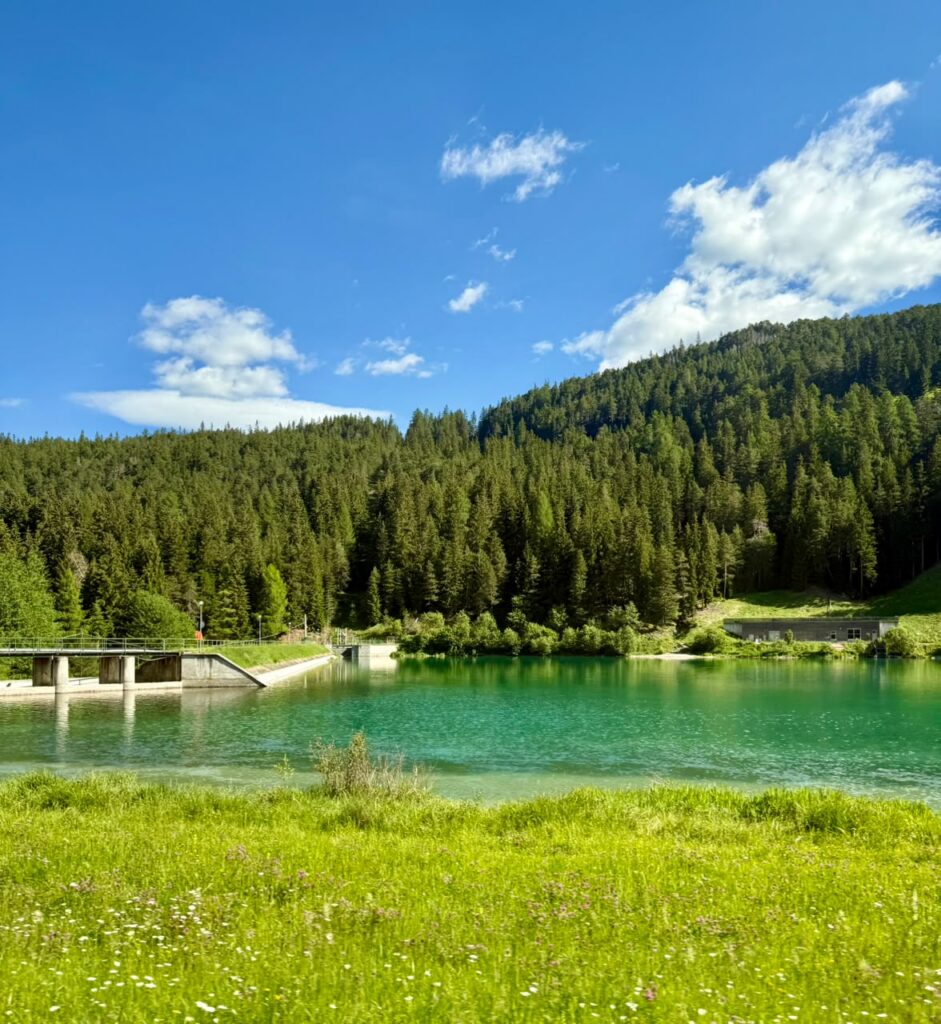
More fascinating still is the region’s unique identity. The Dolomites form part of South Tyrol, where Austrian traditions and Italian culture coexist beautifully. German and Italian are spoken interchangeably, menus feature both schnitzels and handmade pasta and every village reflects centuries of shared heritage.
What makes the Dolomites truly remarkable, however, is their incredible diversity. Within a single day, you can travel from lush valleys sitting just a few hundred metres above sea level to mountain summits soaring beyond 2,600 metres. As the altitude changes, so do the landscapes, the climate and even the rhythm of life.
Our journey began in one of the most authentic corners of this extraordinary region : Sexten.
Sexten – The Soul of the Dolomites
While destinations like Cortina d’Ampezzo and Val Gardena often dominate travel brochures, Sexten offers something that many popular destinations gradually lose over time, authenticity. Incidentally, Sexten also happens to be the town of the current super star and 5 times Grand Slam winner as on date, Jannik Sinner.
Nestled amongst towering peaks and pristine forests, this charming mountain village remains refreshingly untouched by mass tourism. Life moves at a gentler pace here. Locals greet one another by name, flower-filled balconies decorate traditional wooden homes and the mountains dominate every view.
For anyone visiting the Dolomites for the first time, I genuinely believe Sexten is one of the best places to begin.
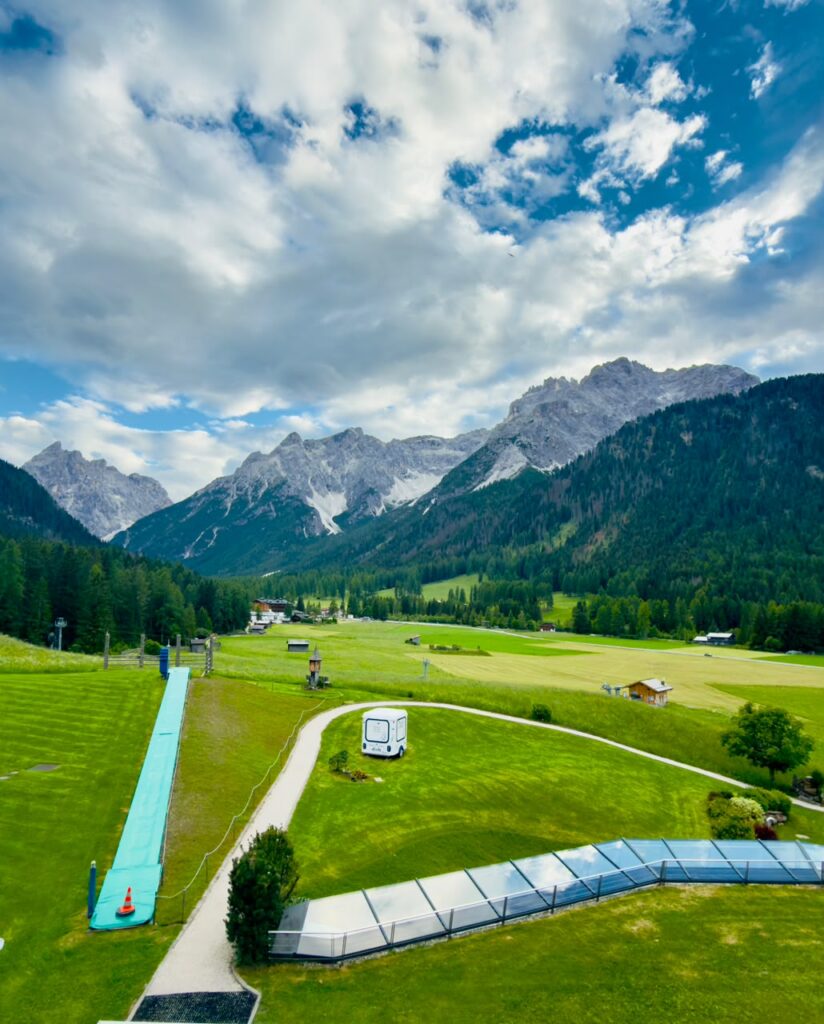
It is here that you experience not just the beauty of the mountains, but their spirit.
Sexten is also home to one of mountaineering’s greatest living legends : Reinhold Messner.
Walking Through the Life of a Mountaineering Legend
Few adventurers have inspired the world quite like Reinhold Messner.
Known as one of history’s greatest mountaineers, he became the first person to climb all fourteen of the world’s 8000-metre peaks without supplemental oxygen, forever changing what humanity believed was impossible in high-altitude climbing.
Naturally, visiting his home became one of the highlights of my journey.
Our morning began with a scenic cable car ride to Mount Elmo. Even before reaching the summit, the scenery was breathtaking. Towering limestone peaks stretched endlessly towards the horizon while rolling alpine meadows spread beneath us.
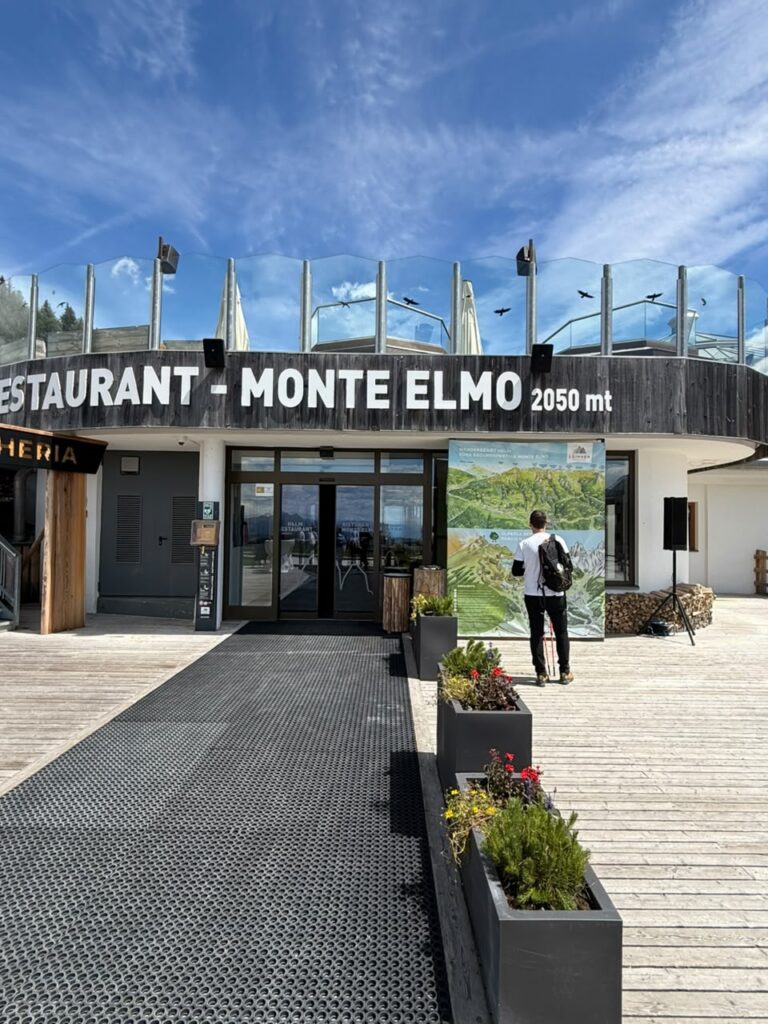
Mount Elmo itself is an experience worth enjoying at leisure. Families can meet mountain animals like yaks, alpacas and goats, gentle walking trails wind through colourful wildflower meadows and every viewpoint offers spectacular panoramas across the Dolomites.
It is the perfect introduction to the region.
After exploring the mountain, we made our way to one of the most fascinating homes I have ever visited.
Unlike the famous Messner Mountain Museums scattered across the Alps, this residence is intentionally not a museum.
Reinhold Messner wanted visitors to step inside his world, not walk through an exhibition.
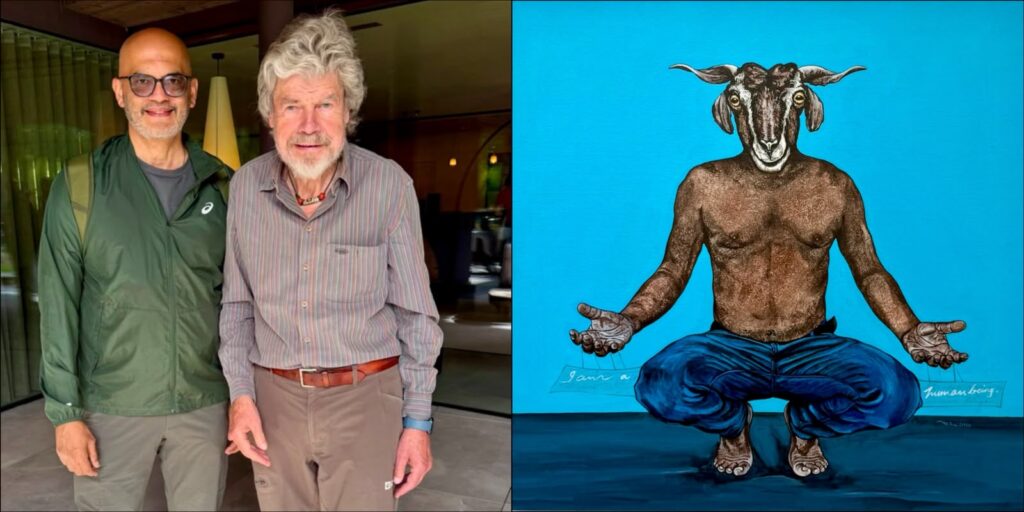
Housed within a beautifully restored former cable car station, the home feels deeply personal. Expedition equipment, journals, rare artefacts, photographs and climbing memorabilia fill every room, each telling the story of an extraordinary life spent pushing beyond the limits of human endurance.
What makes the experience so unique is that visitors are encouraged to engage with the exhibits rather than simply admire them from behind glass.
It feels less like visiting a museum and more like sitting beside one of the world’s greatest explorers as he shares stories from decades of adventure.
And if you’re lucky, you may even meet Reinhold Messner himself, who still spends time here.
An Unexpected Spiritual Connection
Amongst all the climbing equipment and expedition memorabilia, one display completely caught me by surprise.
Standing gracefully against the backdrop of the Dolomite peaks was a beautiful statue of Lord Shiva.
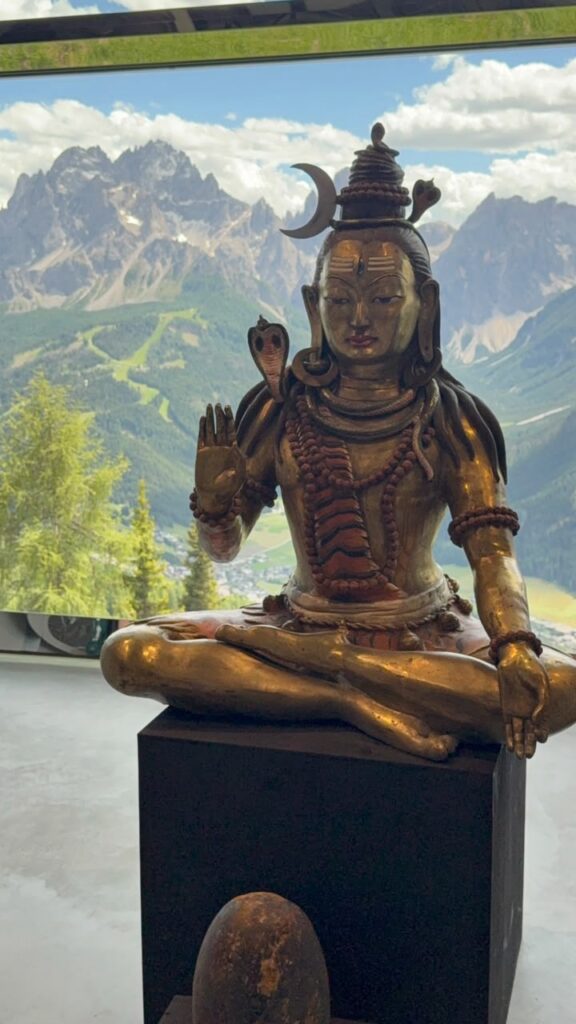
Having spent much of his life climbing mountains across India, Nepal and Tibet, Reinhold Messner developed a deep appreciation for the spiritual traditions of the Himalayas.
Throughout the house, visitors discover Buddhist influences, sacred artefacts and even a beautifully recreated Kathmandu-style living space.
As an Indian traveller, this unexpected connection felt incredibly moving.
Outside stood the dramatic limestone peaks of the Dolomites.
Inside lived the spirit of the Himalayas.
It was a powerful reminder that mountains may belong to different continents, but they evoke the same emotions : humility, courage and wonder.
The Dolomites – An Adventure Playground in Every Season
Many people associate the Dolomites purely with skiing.
After spending several days in Sexten, I realised how incomplete that perception truly is.
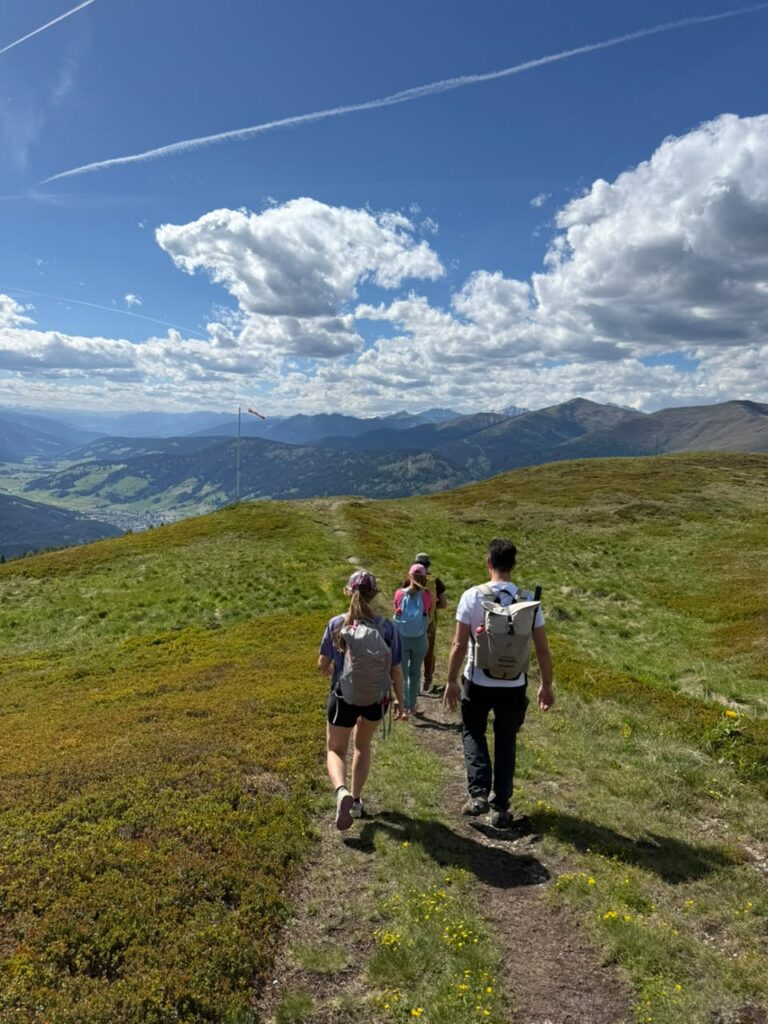
Winter transforms these mountains into one of Europe’s finest ski destinations, complete with immaculate slopes, cosy mountain lodges and endless opportunities for snowshoeing and cross-country skiing.
Summer reveals an entirely different personality.
As the snow melts, hundreds of kilometres of hiking trails, cycling routes and climbing paths emerge, attracting outdoor enthusiasts from around the world.
One activity that particularly stands out is the Via Ferrata.
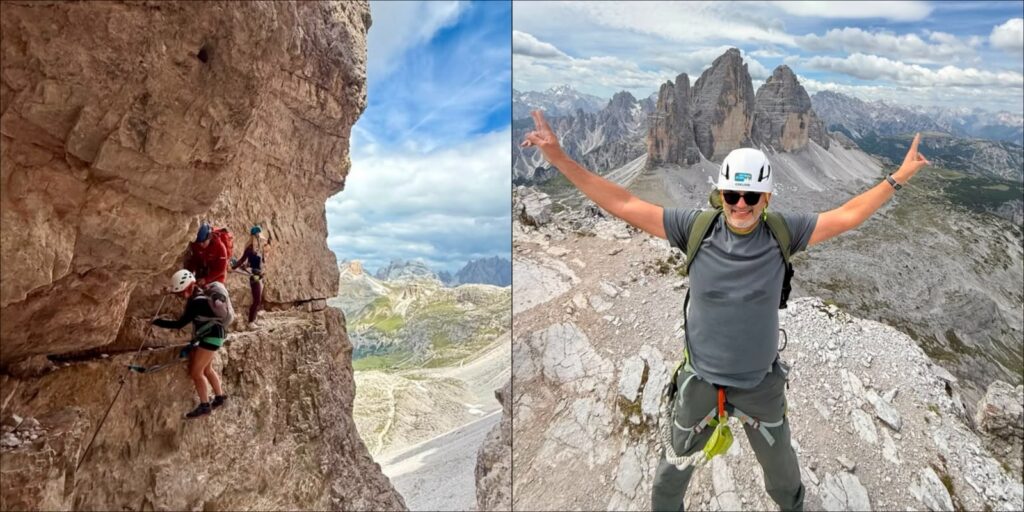
Literally meaning “Iron Path”, this unique mountain experience combines hiking and climbing. Participants remain safely attached to steel cables fixed into the rock while traversing dramatic mountain faces that would otherwise be inaccessible.
I first experienced Via Ferrata nearly a decade ago in Alta Badia and simply returning to the Dolomites reminded me why this region is regarded as one of the finest places on earth to experience it.
Whether you’re an experienced climber or trying it for the first time under expert guidance, it is an unforgettable adventure.
Trekking to the Iconic Tre Cime
No visit to Sexten is complete without witnessing the Dolomites’ most recognisable landmark : Tre Cime di Lavaredo.
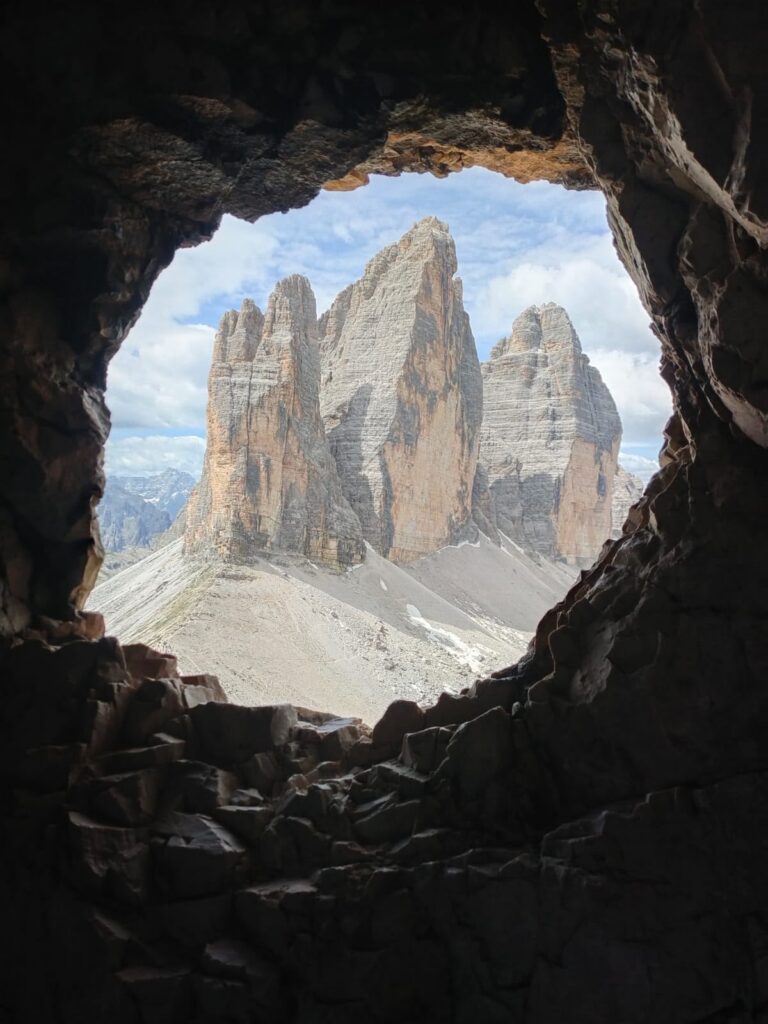
Often referred to simply as the Three Peaks, these magnificent rock formations have become the symbol of the entire region.
We set off early towards Tre Cime Nature Park before beginning our gradual ascent towards Monte Paterno.
The hike wasn’t overly demanding.
Instead, it was wonderfully rewarding.
Over the next three to four hours, we climbed nearly 700 metres through alpine trails surrounded by spectacular mountain scenery. The crisp air, comfortable summer temperatures and ever-changing landscapes made every step enjoyable.
We paused frequently, not because we were tired, but because every turn revealed another breathtaking view.
Upon reaching the summit, our reward was wonderfully simple.
Freshly prepared sandwiches – our incentive to reach the summit and enjoy a well deserved lunch break.
Fresh mountain air.
And an uninterrupted 360-degree panorama across one of Europe’s most spectacular landscapes.
Standing there in complete silence, interrupted only by distant cowbells echoing across the valleys, I realised some experiences simply cannot be captured through photographs.
They have to be lived.
Soaring Above the Dolomites
If hiking allows you to experience the mountains from within, paragliding reveals them from an entirely different perspective.
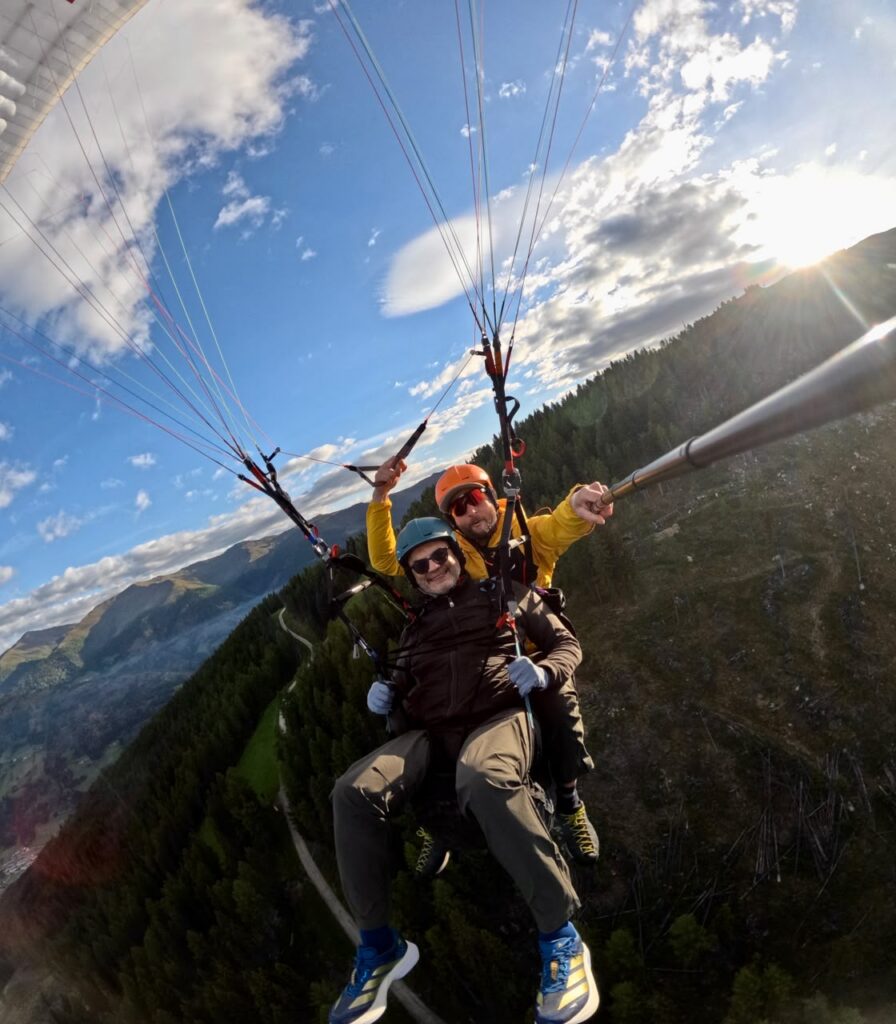
Returning to Mount Elmo, I had the opportunity to enjoy one of the most exhilarating experiences of the trip : a tandem paragliding flight over the Dolomites.
Within moments of take-off, the mountain disappeared beneath my feet.
For the next fifteen minutes, forests, valleys and villages unfolded below as we floated effortlessly through the sky, over the clouds.
The instructors expertly tailored each flight according to individual comfort levels.
Some preferred a peaceful glide.
Others welcomed sharp turns and thrilling descents.
Either way, witnessing the Dolomites from above is something you never forget.
Exploring Fischleintal Valley by E-Bike
Adventure in the Dolomites isn’t always about conquering mountain peaks.
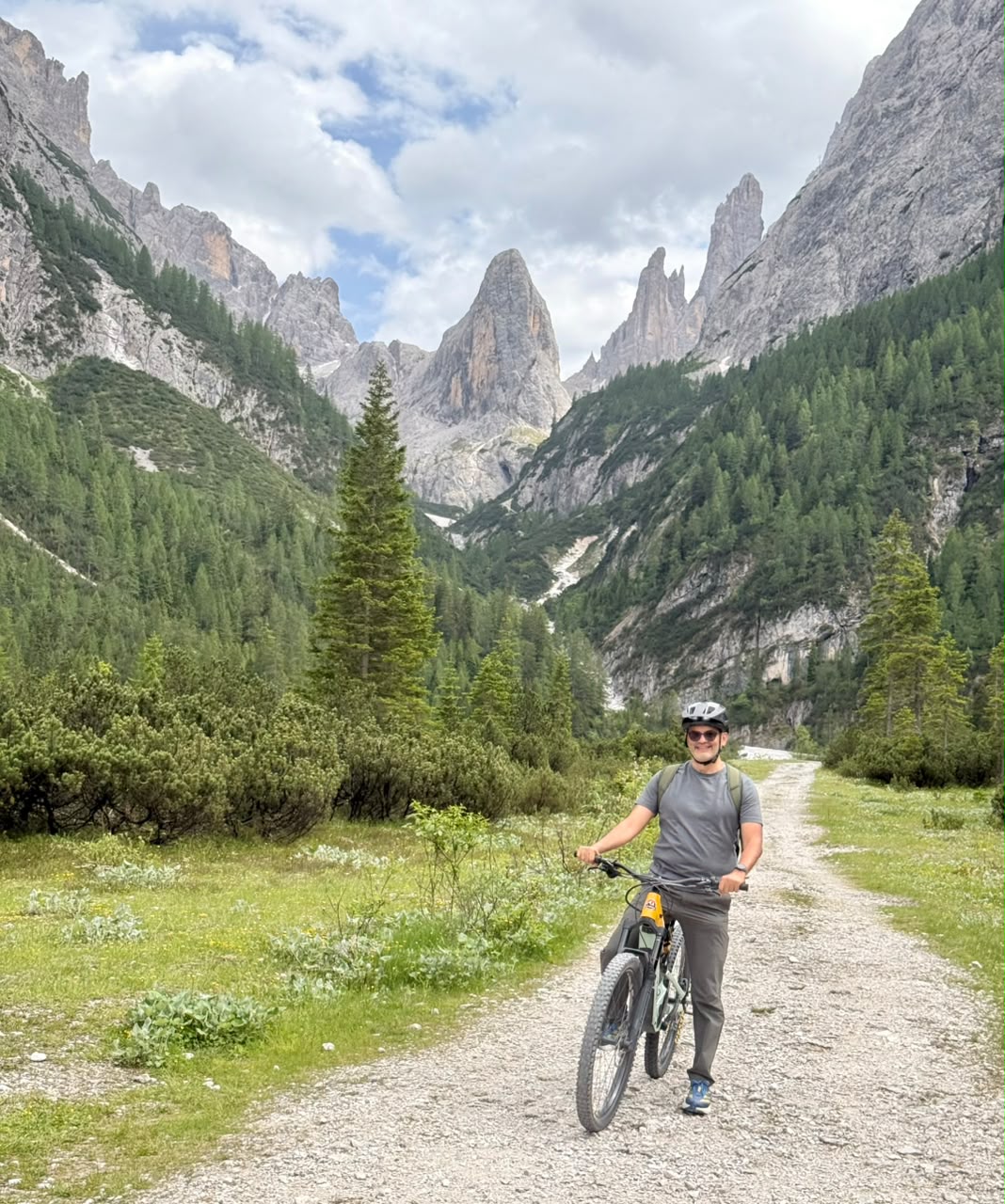
One afternoon, we swapped our hiking boots for e-bikes and explored the beautiful Fischleintal Valley.
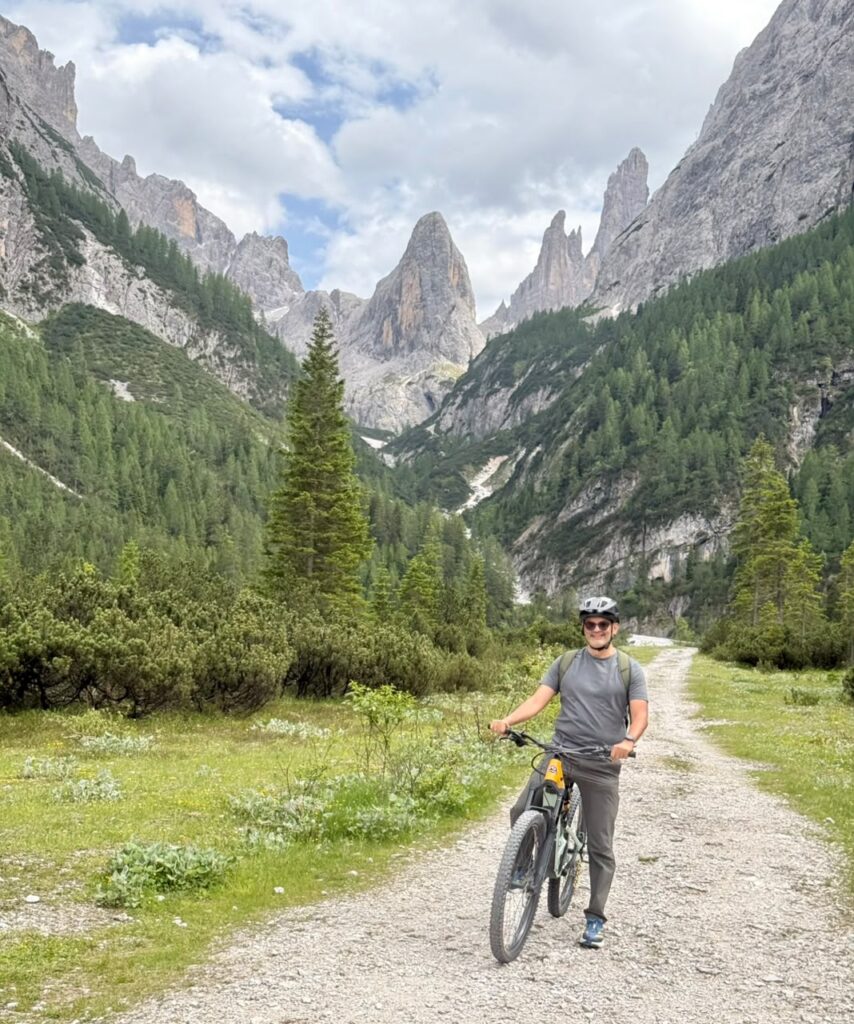
Often regarded as one of South Tyrol’s prettiest valleys, the route wound gently through flower-filled meadows, crystal-clear streams, traditional farmhouses and dense alpine forests.
The electric bikes made the journey accessible for almost every fitness level, allowing us to simply enjoy the scenery without worrying about steep climbs.
It reinforced one of the Dolomites’ greatest strengths.
There truly is something here for everyone.
Nature’s Own Clock
One of the most fascinating discoveries during our stay was Sexten’s famous Mountain Sundial.
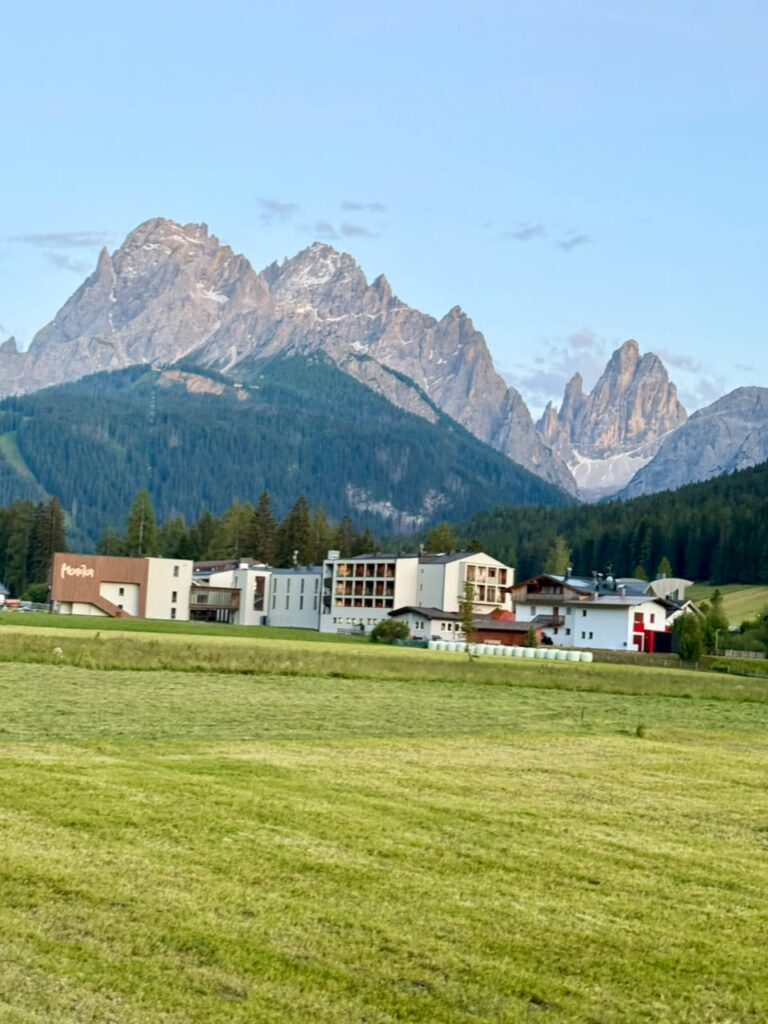
Long before modern clocks existed, local communities relied upon the surrounding mountain peaks to estimate the time of day.
Five distinct Dolomite peaks align perfectly with the movement of the sun, creating one of nature’s most remarkable timepieces.
Standing atop Mount Elmo and witnessing this centuries-old phenomenon was a wonderful reminder that life in the mountains has always moved in harmony with nature.
More Than Mountains
While the landscapes are undeniably spectacular, what stayed with me just as much were the people.
One evening, we attended a traditional South Tyrolean folk performance where local villagers proudly celebrated customs, music and dances that have been passed down through generations.
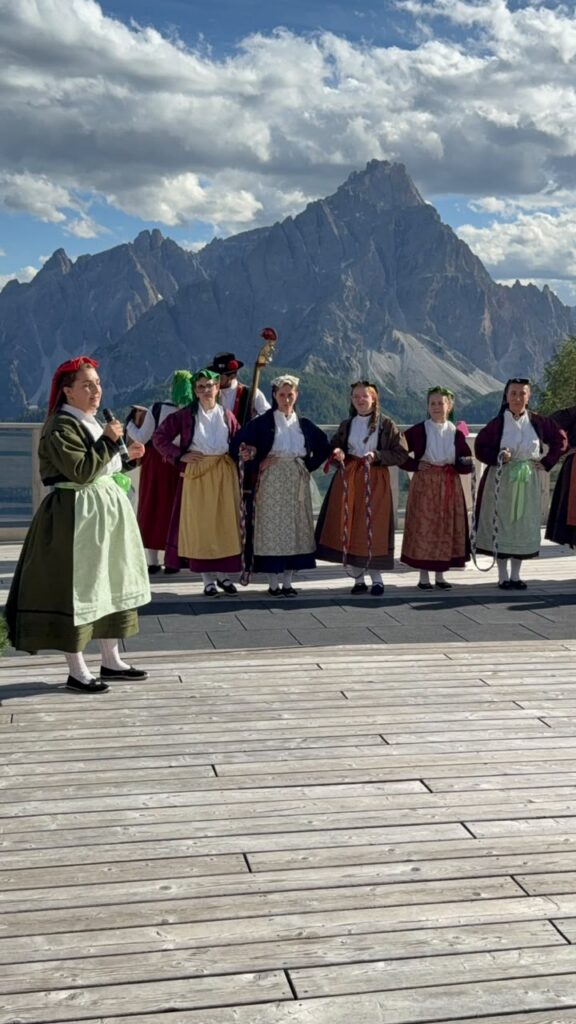
It didn’t feel like a show created for tourists.
It felt genuine.
It felt personal.
That authenticity defines South Tyrol.
Another memorable meeting was with Michael Wachtler, the renowned palaeontologist and explorer often referred to as the “Indiana Jones of the Dolomites.“
Listening to him describe dinosaur fossil discoveries, ancient fossils and the prehistoric history hidden beneath these mountains gave the landscape an entirely new dimension.
Suddenly, every cliff, every valley and every rock formation carried a story millions of years old.
Throughout the journey, I realised something important.
The Dolomites aren’t simply about dramatic scenery.
They’re about remarkable people.
Mountaineers.
Scientists.
Guides.
Artists.
Families preserving traditions that have endured for centuries.
Their stories breathe life into these magnificent mountains.
Until Next Time…
As our time in Sexten drew to a close, it was surprisingly difficult to leave.
Over just a few days, I had rediscovered everything that first made me fall in love with the Dolomites : towering peaks, unforgettable adventures, warm hospitality and stories that remain with you long after the journey ends.
Yet South Tyrol still had more surprises waiting.
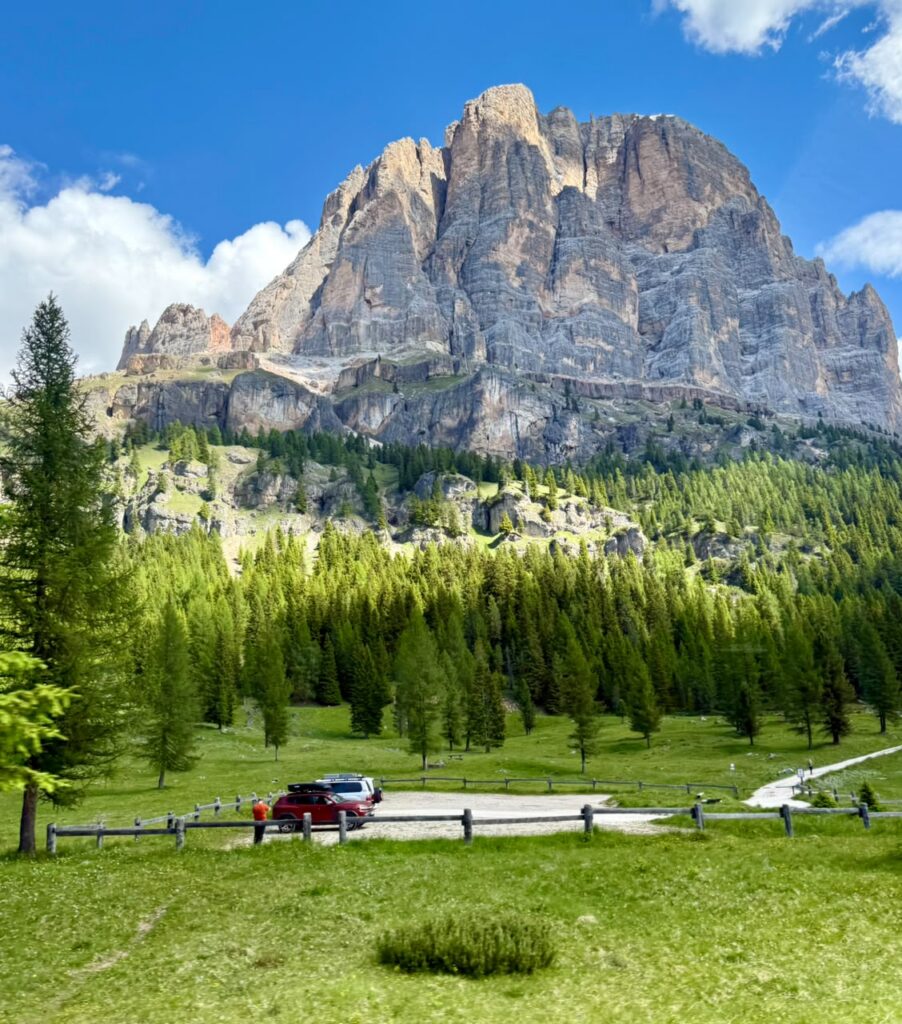
Leaving Sexten behind, we set off towards the glamorous mountain town of Cortina d’Ampezzo, Europe’s most scenic alpine drives, rolling vineyards, medieval castles and the cultural heart of Bolzano.
The adventure, it seemed, was only just beginning.
If the Dolomites have been on your travel wishlist, our team at Namaste Tourism would be delighted to help you plan a personalized journey through this extraordinary region.
Stay Tuned for Part 2