
Our Silk Route Journey aboard the Orient Silk Road Express rolled deeper into the heart of Central Asia, where every mile felt like a voyage through history. Every sunrise revealed a new landscape, culture and chapter along one of the world’s most legendary trade routes, making this Silk Route Journey an unforgettable exploration of ancient civilisations.
Our first major stop was the ancient city of Khiva, a destination that seemed almost frozen in time.
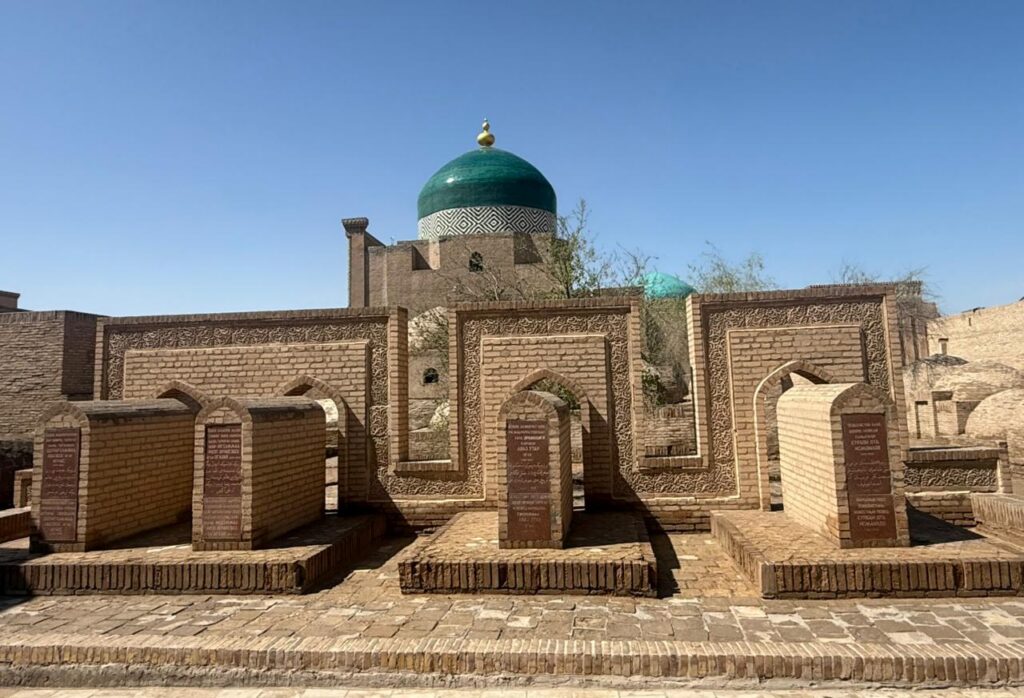
To reach Khiva, we crossed vast desert landscapes alongside sections of the mighty Amu Darya River, one of Central Asia’s most historic waterways. Watching the scenery unfold from the train window was mesmerising. Endless stretches of barren terrain would suddenly reveal small settlements and distant minarets, reminding us that this route once connected merchants, scholars and empires across continents.
The beauty of the journey was that the train itself had become part of the experience. Unlike conventional travel, where transportation is simply a means to an end, here the journey was every bit as rewarding as the destinations themselves.
Our Silk Route Journey became even more fascinating as every destination revealed another chapter of Central Asia’s remarkable history. Following our time in Khiva, we ventured deeper into the desert to reach the legendary city of Bukhara, where we paused our rail expedition for an overnight stay. Nestled within the expansive Kyzylkum Desert, Bukhara serves as a living museum, boasting over a thousand monuments that whisper stories of the Great Silk Road’s golden era. Our accommodation was perfectly positioned just a short stroll from the historic Old Town, where the towering 50-metre Kalyan Minaret dominates the skyline alongside the picturesque Lab-i-Hauz ensemble, a serene setting where one can simply pause and absorb the timeless atmosphere.
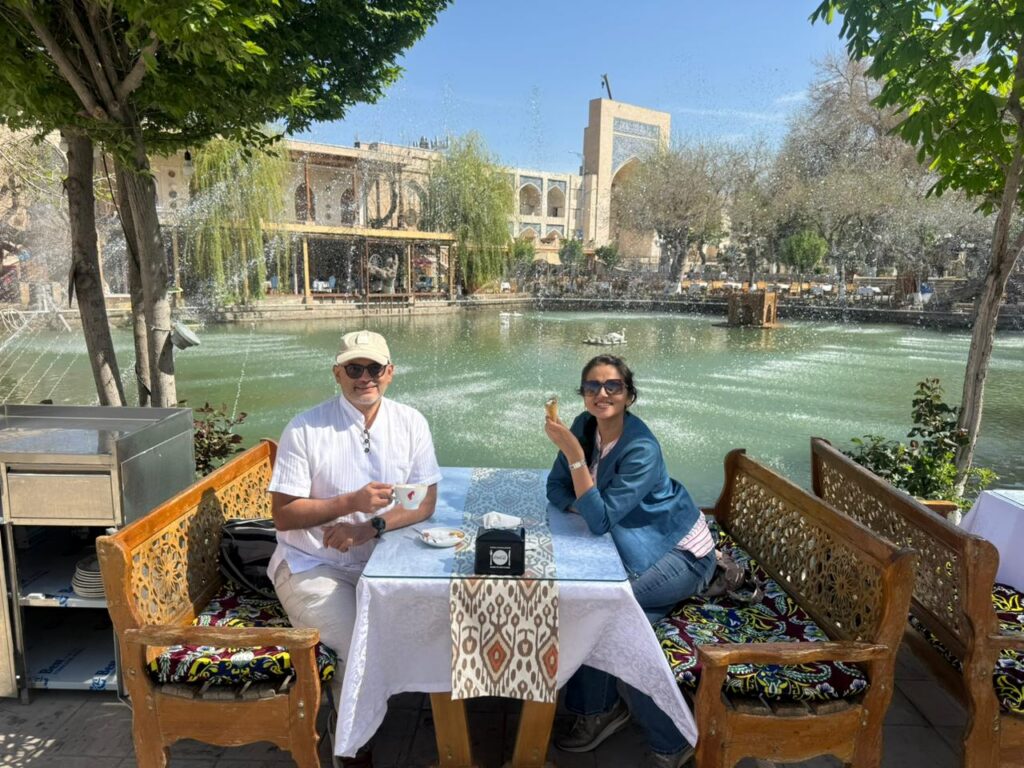
Walking through Lab-i-Hauz feels like stepping back into the 16th century, as the square remains remarkably preserved as the city’s most cherished social heart. It stands today as a powerful symbol of Uzbekistan’s cultural legacy. Our first evening off the train was nothing short of magical; within the intimate courtyard of an ancient madrasa, we were treated to a vibrant folklore performance. The evening was a beautiful tapestry of traditional melodies, spirited dances and a showcase of the region’s exquisite national attire, offering a truly authentic glimpse into the local heritage.
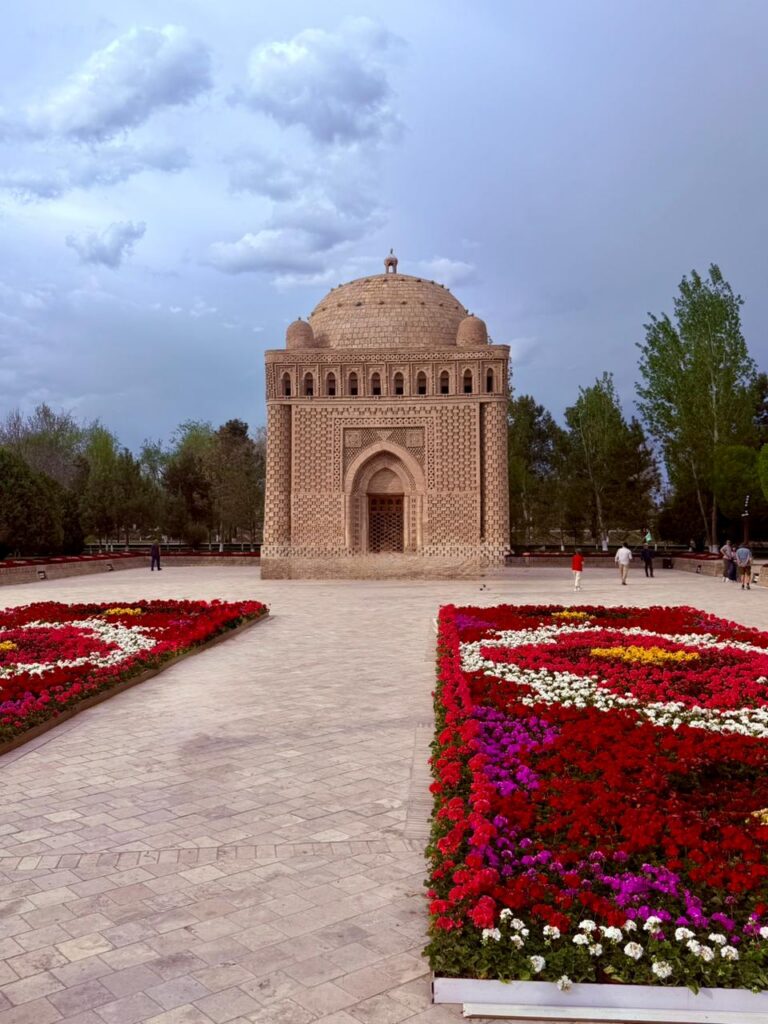
The next day offered further immersion as we visited the prestigious Mir-i-Arab Madrasa and the Samanid Mausoleum, an architectural gem widely considered one of the most significant treasures in all of Central Asia as well as the second oldest mausoleum in the world. We also stood before the formidable Ark Fortress, a massive citadel that once functioned as the royal residence for Bukhara’s emirs. After a morning filled with the grandeur and history of this desert oasis, we made our way back to the Orient Silk Road Express to continue our voyage across these remarkable lands.
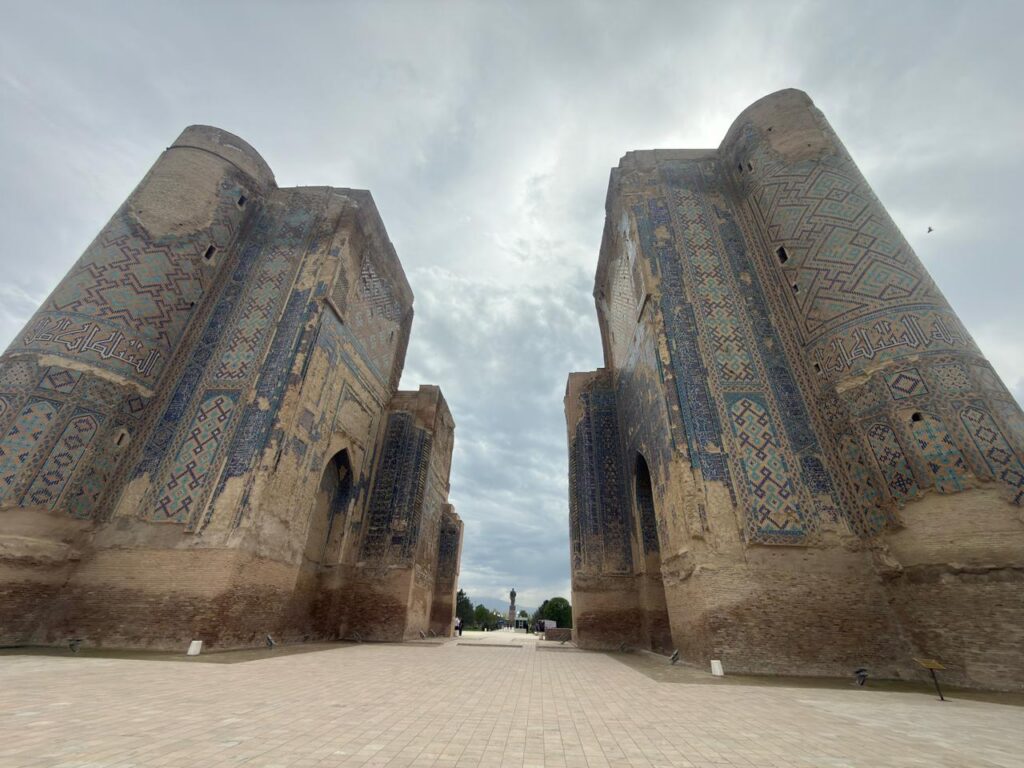
Awakening to the gentle rhythm of the rails after our first night aboard, we dedicated the morning to discovering the rugged majesty of the Baysun Mountains and the historical depth of Shahrisabz. This ancient city holds profound significance as the cradle of Tamerlane, the legendary conqueror who shaped the course of history. Our exploration led us to the hauntingly beautiful ruins of Ak-Saray Palace, a structure that, in its prime, stood as one of the most ambitious and grand architectural feats in all of Central Asia.
A scenic hour-long drive transitioned us from the tracks to the heart of the mountains, arriving at Changak Village. Here, the essence of Central Asian hospitality was personified by a local family, whose expansive lineage—spanning eight children and dozens of grandchildren—welcomed us with genuine warmth. This encounter offered a rare, intimate window into the enduring customs that define these mountain communities. A visit to the local school proved equally enlightening; it was heartening to observe the co-educational system and the disciplined, distraction-free environment where mobile devices are notably absent. Perhaps most staggering was the revelation of the region’s educational achievements, with literacy rates across these four nations nearly reaching a perfect 100%, a testament to the societal values shared across the modern Silk Route.
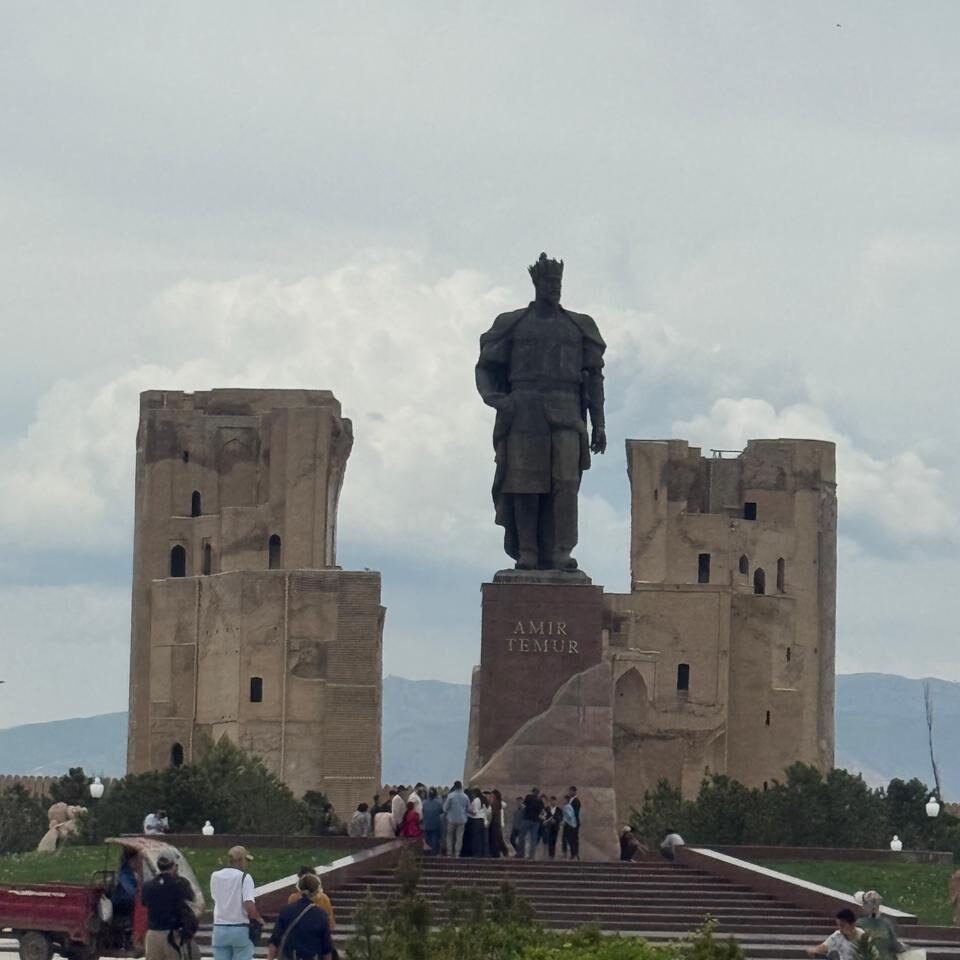
The afternoon unfolded in Shahrisabz, where we delved deeper into the monumental legacy of the Timurid Empire. It was fascinating to trace the historical threads connecting this region to the Indian subcontinent, as the Mughal emperors would later emerge as descendants of Timur himself. As the sun began to dip toward the horizon, we gathered for an atmospheric barbecue dinner served right beside our train at the station. With the meal concluded, the Orient Silk Road Express stirred back to life, gliding toward the border as we completed our formalities and prepared to enter the next chapter of our adventure in Tajikistan.
Silk Route Journey into Tajikistan – A New Country, A New Perspective
One of the most remarkable aspects of travelling aboard the Orient Silk Road Express was the ease with which international borders were crossed. Immigration formalities were handled efficiently and without the usual stress associated with international travel. By dawn, we had arrived in the capital city of Tajikistan — Dushanbe.
One of the highlights of travelling through multiple countries is the opportunity to meet local guides who bring each destination to life through their stories and perspectives. In Tajikistan, we gained fascinating insights into the culture and history of the Tajik people, whose influence extends beyond modern borders into neighbouring Afghanistan.
Our introduction to Dushanbe began with a welcome with a local cultural experience at the train station and then we headed thereafter to a vibrant local bazaar. Markets are often the best place to understand a destination and this one was no exception. Colourful displays of fruits, vegetables, nuts, spices and local produce filled the market, while the cleanliness and organisation were particularly impressive.
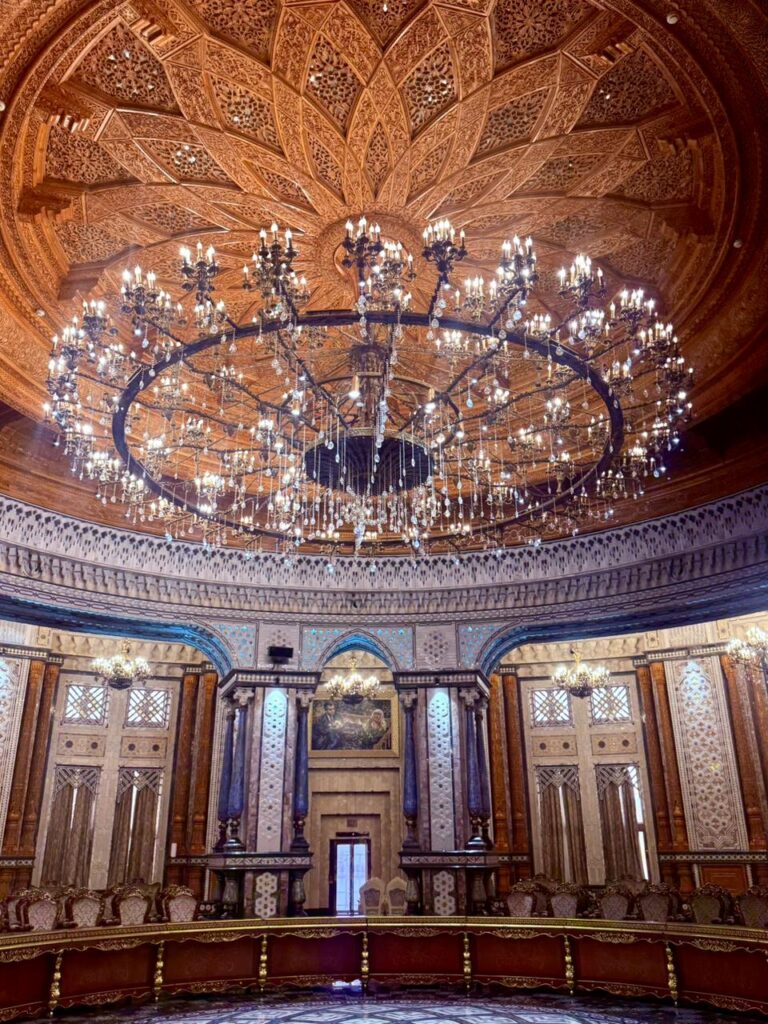
The undisputed highlight of Dushanbe, however, was the magnificent Navruz Palace, also known as the National Tea House.
Nothing quite prepares you for the grandeur of this extraordinary building. Intricately carved woodwork, handcrafted ceilings, elaborate chandeliers and stunning decorative details showcase the remarkable craftsmanship of the region. Walking through its halls felt less like visiting a public building and more like exploring a royal palace.
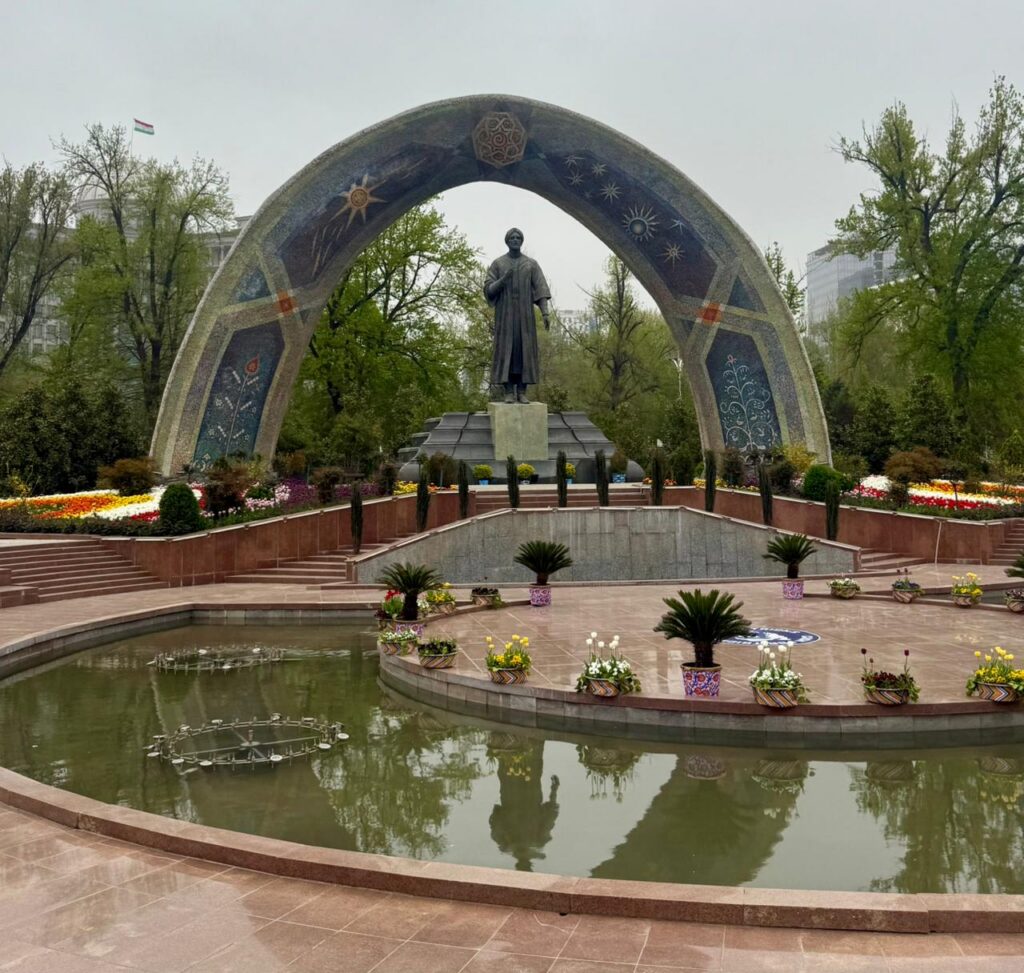
We also passed some of Dushanbe’s key landmarks, including the National Library, Rudaki Park and the iconic Ismail Somoni Monument, each reflecting the country’s growing confidence and identity since independence.
Before long, it was time to board the train once again and continue our journey.
Silk Route Journey to Samarkand – The Crown Jewel of Central Asia
Returning to Uzbekistan brought us to what many consider the undisputed highlight of the entire Silk Route experience — Samarkand.
If there is one city that captures the romance, grandeur and mystique of the Silk Route, it is this one.
Often referred to as the “Rome of the Orient,” Samarkand has stood at the crossroads of civilisations for more than 2700 years. Traders, conquerors, scholars and explorers have all passed through its gates, leaving behind a remarkable legacy.
At the heart of the city stands the breathtaking Registon Square.
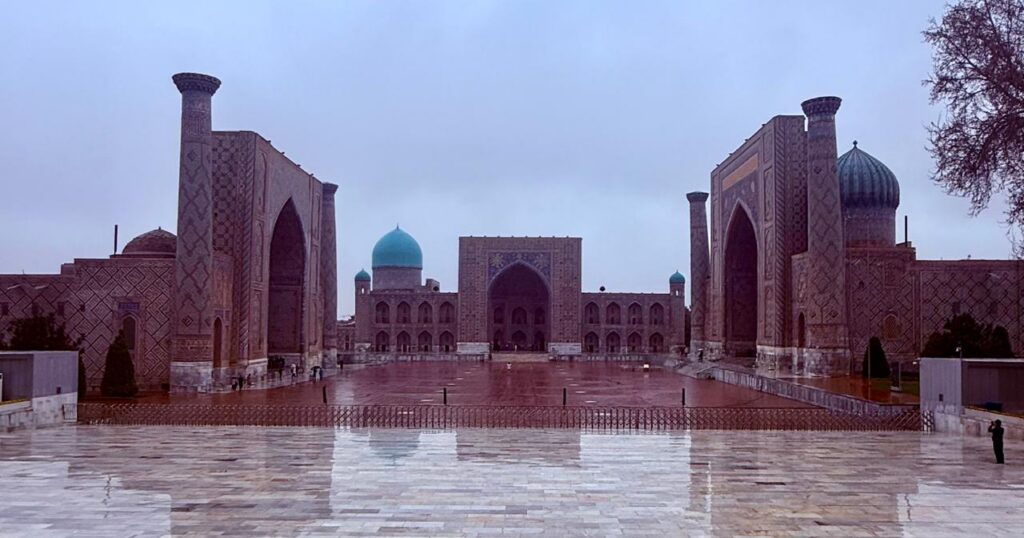
Standing before the Registon for the first time is an experience that photographs simply cannot capture. The immense scale, the brilliant turquoise domes and the intricate mosaic work create one of the most spectacular architectural ensembles anywhere in the world.
Beyond the Registon, Samarkand revealed itself as a city best explored slowly. Wide pedestrian avenues, bustling public spaces and beautifully maintained streets make it one of the most enjoyable cities in Central Asia to discover on foot.
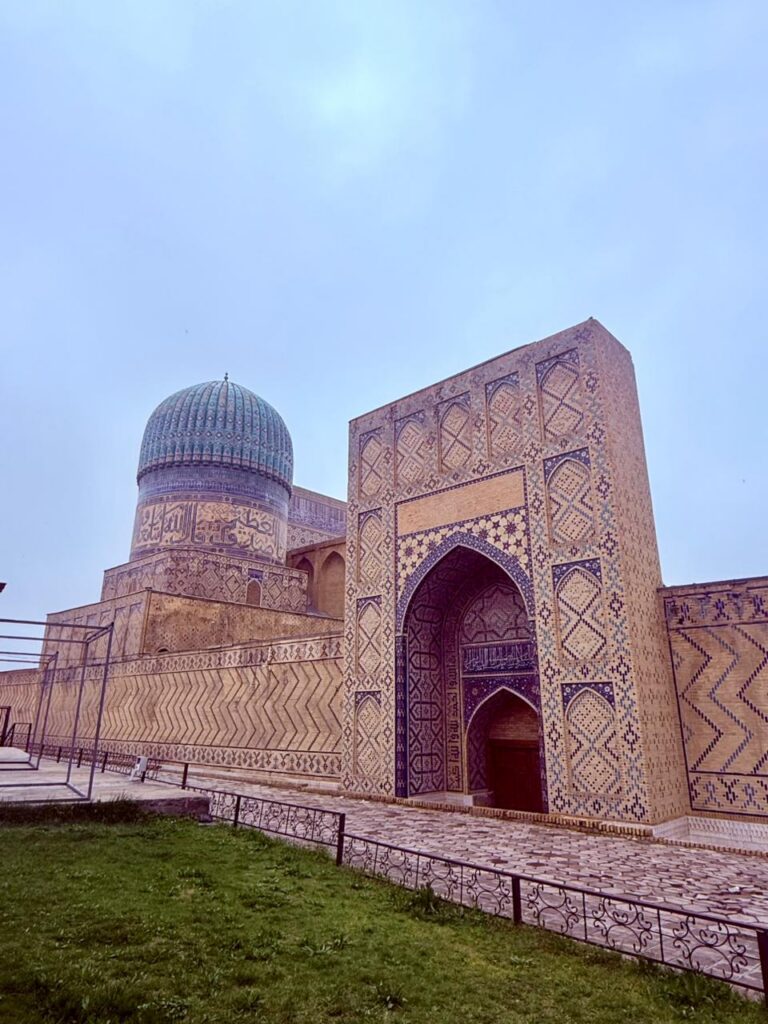
One of the most memorable visits was to Shah-i-Zinda, often referred to as the “City of the Dead.” This extraordinary necropolis, with its shimmering blue domes and intricate tilework, is regarded as one of the finest examples of Islamic architecture in the region.
We also visited traditional silk carpet workshops where generations of artisans continue the painstaking process of hand-weaving carpets. Some of the masterpieces on display were valued at more than €50000, a reflection of the immense skill, craftsmanship and time invested in creating them.
Another fascinating stop was the historic observatory of Ulugh Beg, the renowned astronomer and grandson of Timur. His scientific achievements were centuries ahead of their time and serve as a reminder that Central Asia was once a major centre of learning and innovation.
Continuing the Silk Route Journey Across Central Asia
Although rail travel was the central theme of the expedition, we wanted to experience another side of Central Asia.
Instead of continuing exclusively by train, we chose to travel by road from Samarkand back to Tashkent. The drive took approximately four and a half hours and provided valuable insight into how overland journeys can be structured for future travellers.
For those short on time, the high-speed train between the two cities covers the distance in just ninety minutes. However, travelling by road allowed us to appreciate the landscapes, infrastructure and logistics that make customised multi-country itineraries possible.
From Tashkent, a short flight brought us to our next destination — Kyrgyzstan.
Kyrgyzstan – Where Nature Takes Centre Stage
The moment we arrived in Bishkek, it felt different from anywhere else we had visited.
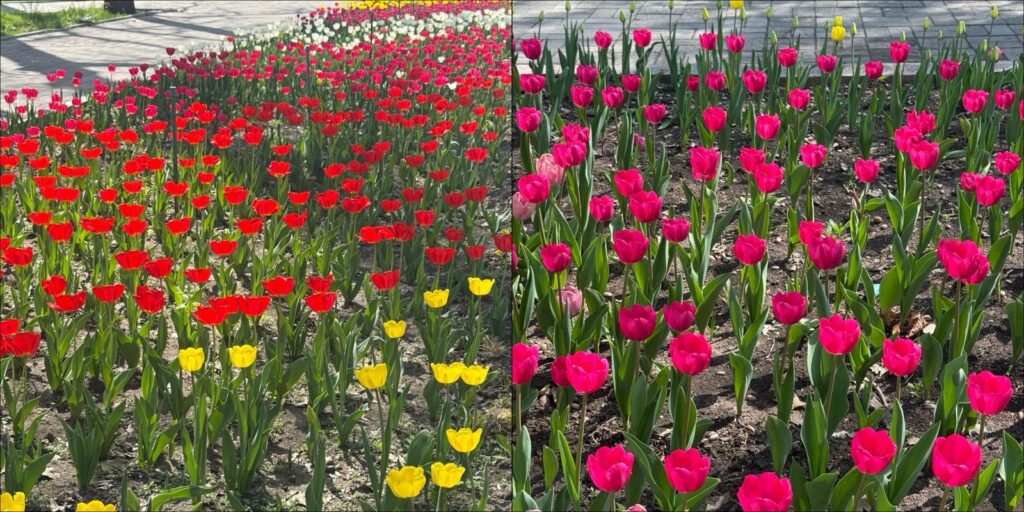
Often regarded as one of the greenest capitals in the world, Bishkek is characterised by tree-lined boulevards, expansive parks and a refreshingly relaxed atmosphere.
The following morning, we set out for Ala Archa National Park, where the scenery changed dramatically. Snow-capped peaks, alpine valleys and crisp mountain air provided a complete contrast to the historic Silk Route cities we had explored until then.
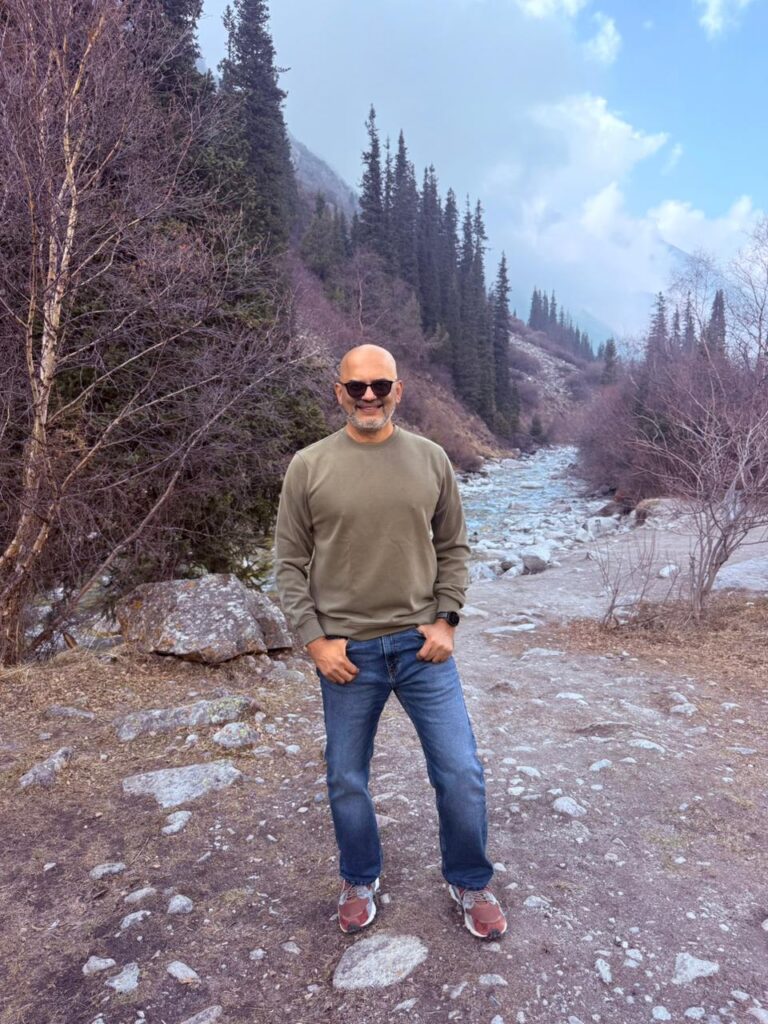
A gentle hike through the park offered stunning views and a glimpse into the incredible natural beauty that makes Kyrgyzstan such a rewarding destination.
The highlight, however, was yet to come.
The Magic of Issyk-Kul
Few places in Central Asia are as spectacular as Issyk-Kul Lake.
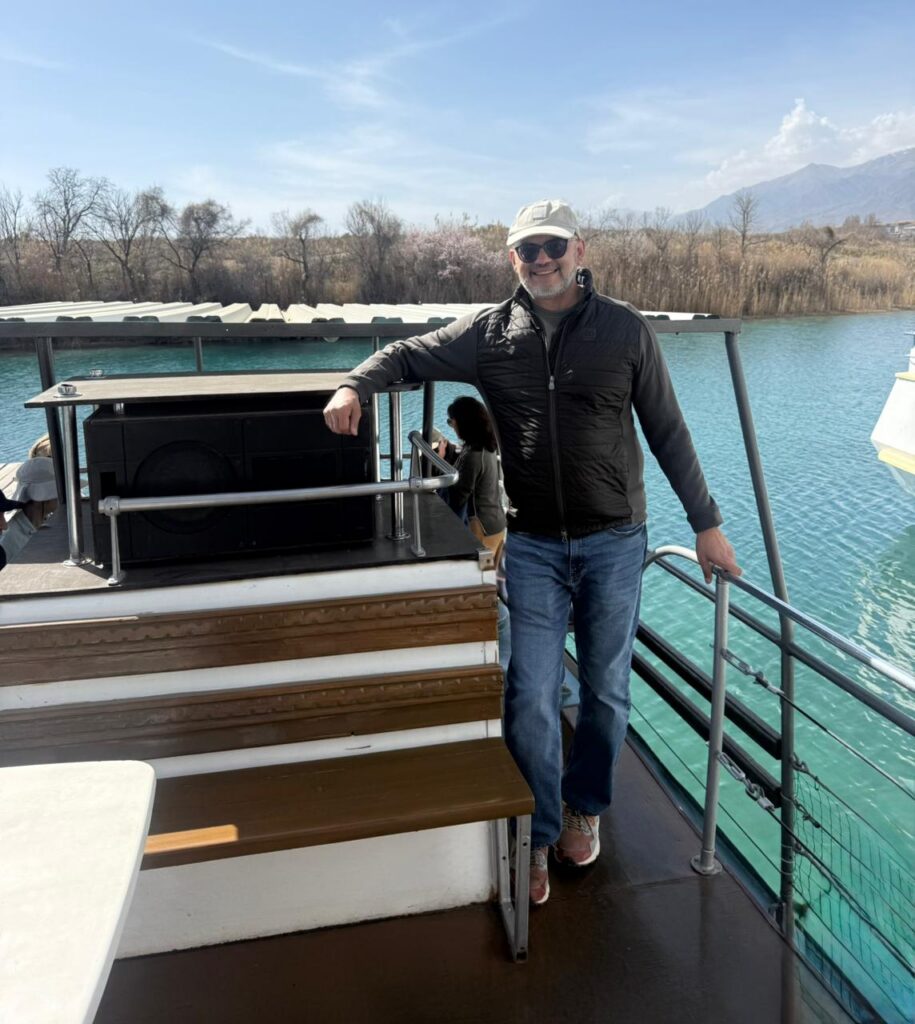
Surrounded by snow-capped mountains, this vast alpine lake possesses a remarkable characteristic — despite freezing winter temperatures, it never completely freezes due to its mineral content.
Our boat ride across the lake was one of the most memorable experiences of the entire journey. The contrast between the deep blue waters and the dramatic mountain backdrop created scenery that felt almost unreal.
The journey itself was equally spectacular. Travelling through the dramatic Boom Gorge alongside the Chu River revealed some of the most scenic landscapes we encountered during the expedition.
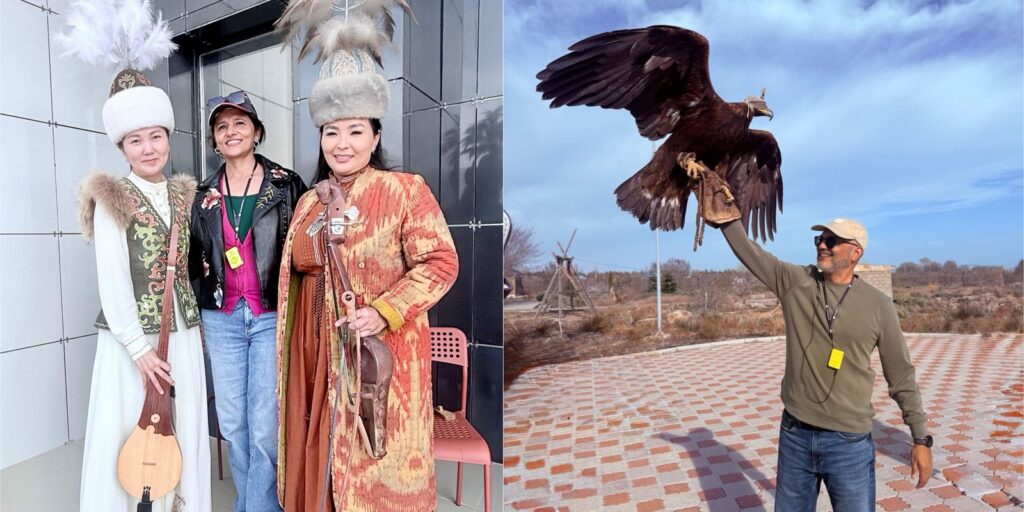
We also had the opportunity to experience aspects of Kyrgyz nomadic culture through traditional music, dance performances and exhibits showcasing a way of life that has survived for centuries.
The Final Chapter of Our Silk Route Journey – Kazakhstan
Our final destination was Kazakhstan, the largest country in Central Asia.
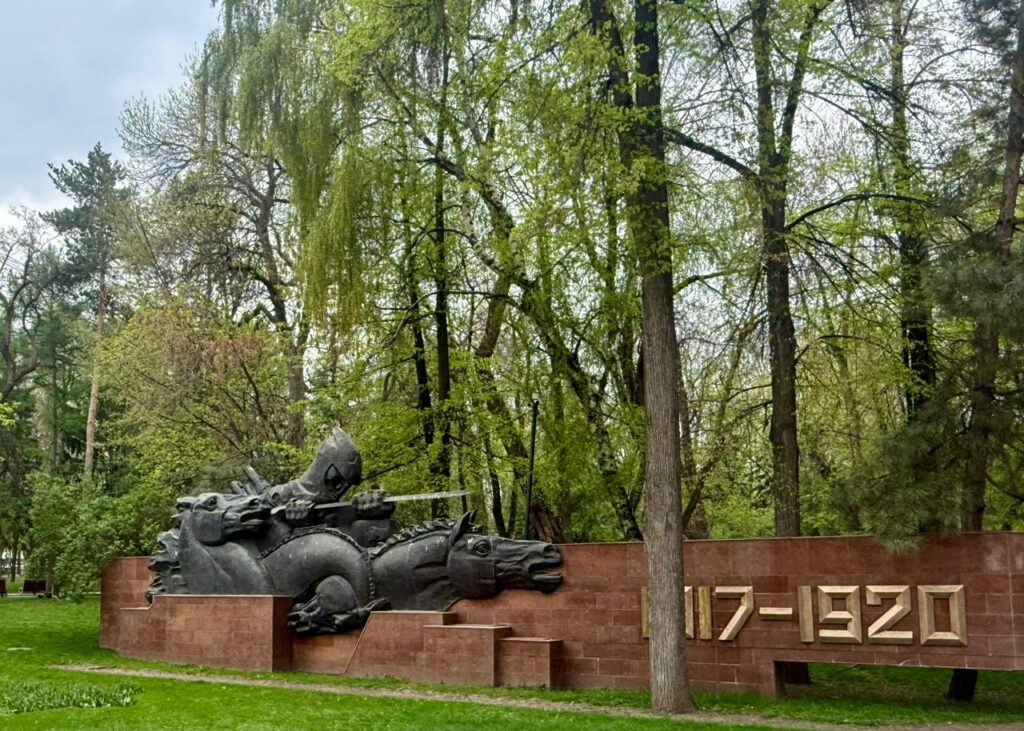
We based ourselves in Almaty, a city that deserves far more than a brief stopover. Surrounded by mountains yet modern and cosmopolitan in character, Almaty offers the perfect balance between nature and urban sophistication.
Recognising its immense tourism potential, we extended our stay to further explore the region.
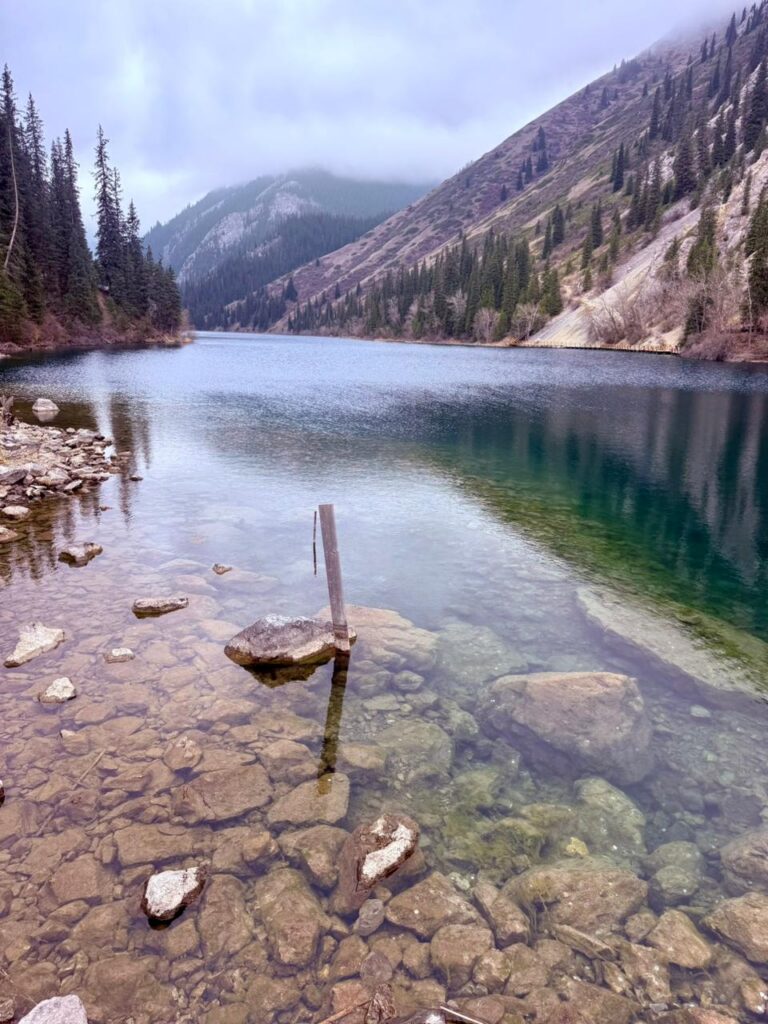
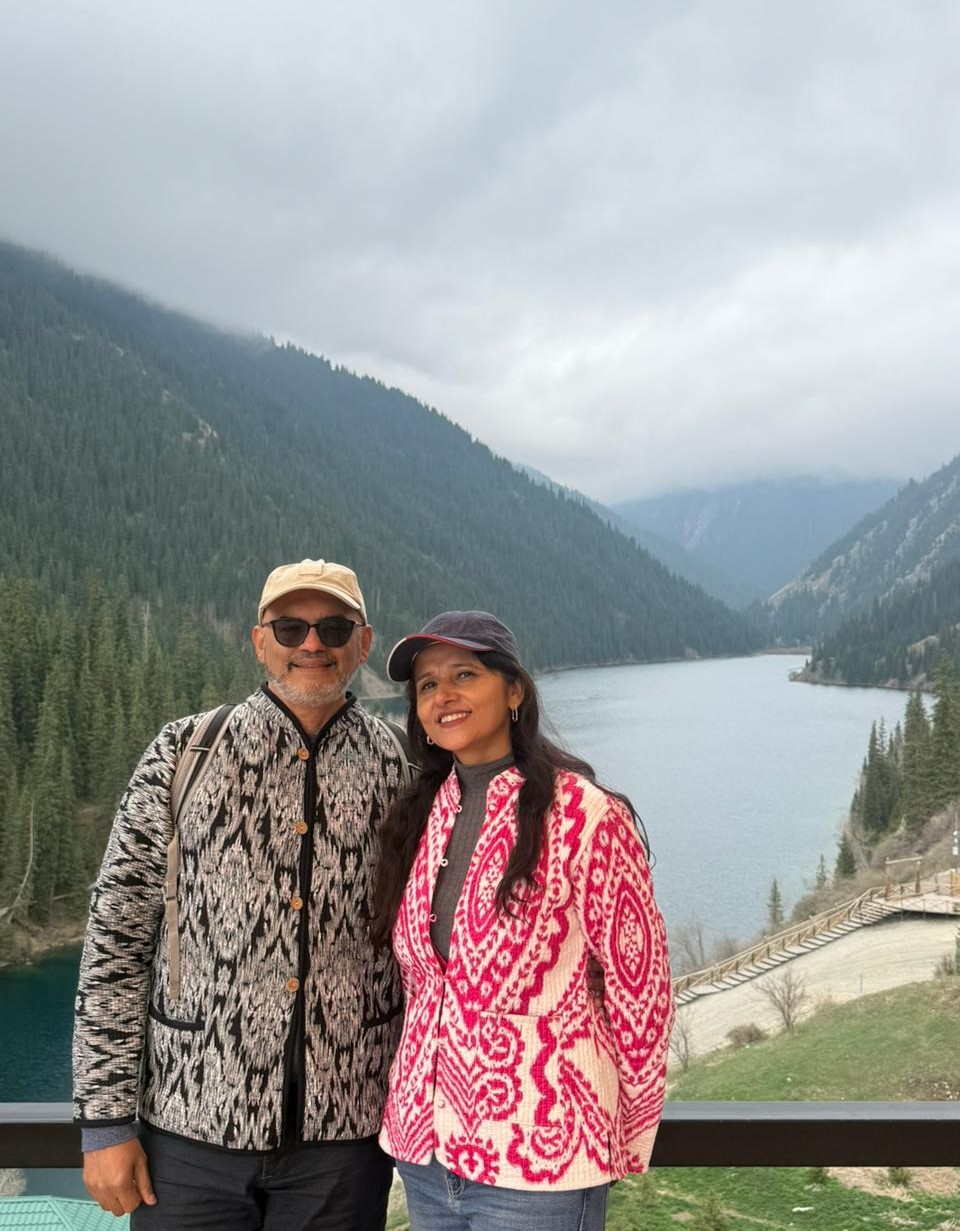
One of our most rewarding excursions was to the stunning Kolsai Lakes. Surrounded by forests and towering mountains, the emerald-green waters created landscapes reminiscent of Norway’s fjords and New Zealand’s alpine scenery.
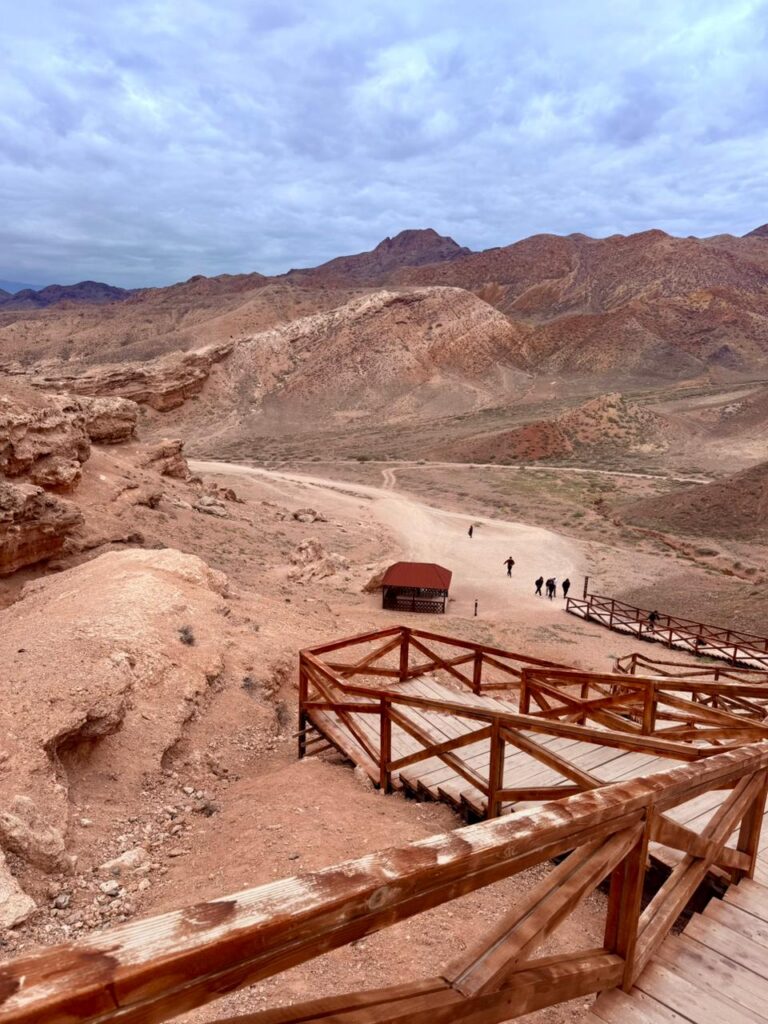
From there, we continued to Charyn Canyon, often referred to as the Grand Canyon of Central Asia. Its dramatic rock formations and vast open landscapes once again demonstrated the extraordinary diversity of this region.
Our final day was spent in the mountains above Almaty at Shymbulak.
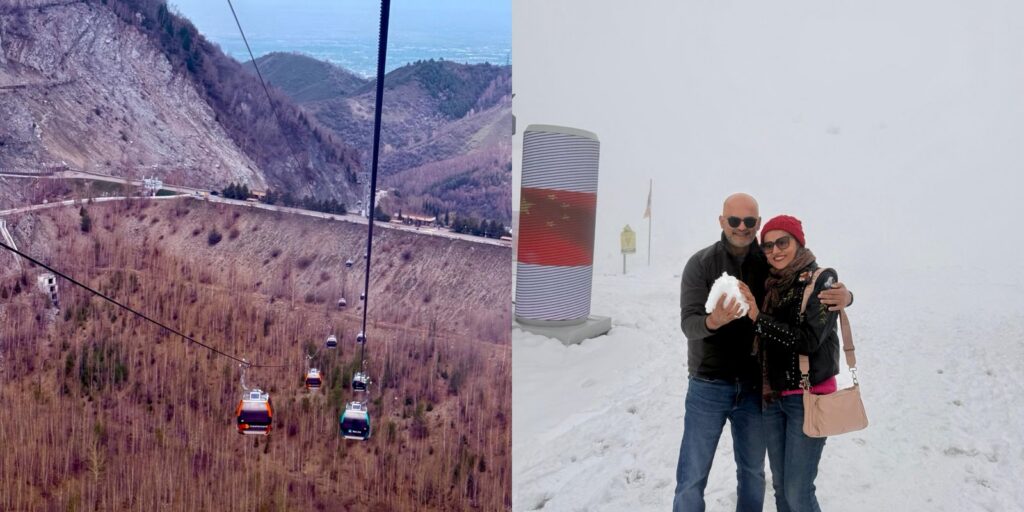
Within just an hour of leaving the city, we found ourselves surrounded by snow-covered slopes, skiers, snowboarders and breathtaking alpine views. Watching snowfall in the mountains while knowing we would soon be flying home felt like the perfect ending to an unforgettable journey.
Why a Silk Route Journey Should Be on Every Traveler’s Radar
As our flight departed Almaty and the mountains slowly disappeared beneath the clouds, one thought remained constant.
Central Asia is perhaps one of the most underrated travel regions in the world.
It offers extraordinary history, stunning architecture, breathtaking natural beauty, warm hospitality and remarkable value for money. More importantly, it remains authentic. Unlike many heavily commercialized destinations, Central Asia still feels genuine, welcoming and largely undiscovered.
From the bustling bazaars of Dushanbe to the timeless grandeur of Samarkand, from the alpine beauty of Kyrgyzstan to the dramatic canyons of Kazakhstan, every destination revealed a completely different side of the region.
And perhaps that is the true magic of the Silk Route Journey.
It is not merely a route connecting countries.
It is a journey connecting cultures, civilisations and stories that have shaped the world for centuries.
For me, this was not simply another trip. It was a reminder that some of the world’s greatest travel experiences are still found far away from the crowds, hidden along the ancient roads that once connected East and West.
And I have no doubt that this will not be my last journey through the remarkable lands of Central Asia.
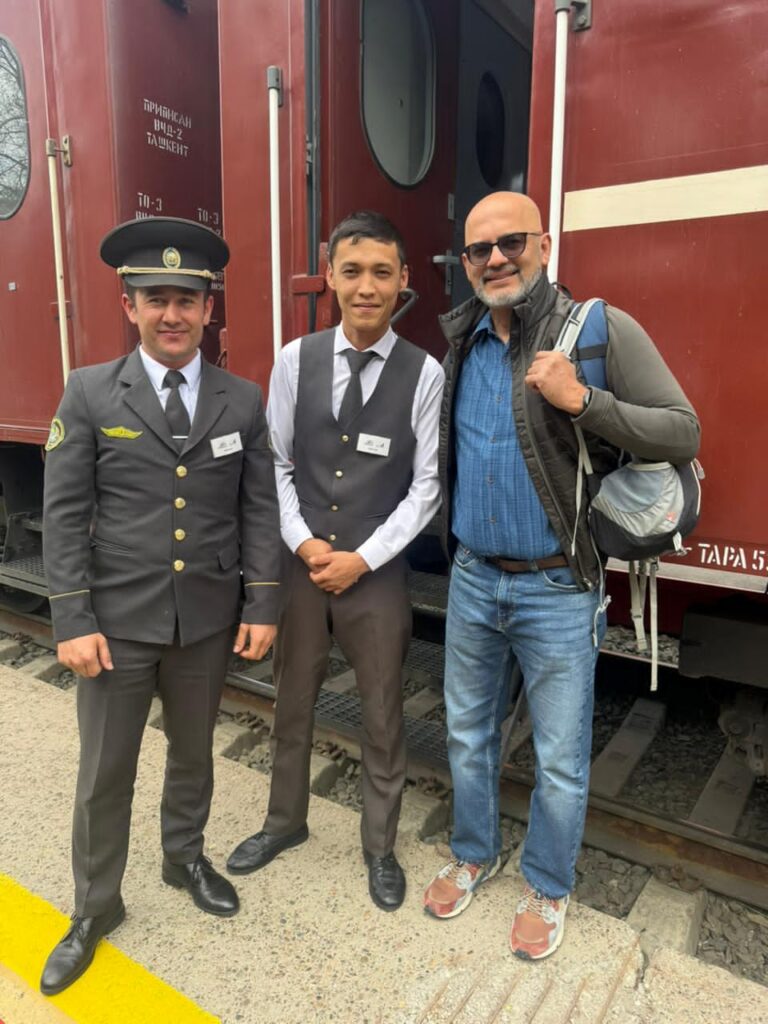
Embracing rail travel represents the pinnacle of responsible, sustainable and deeply immersive exploration. We invite you to reserve your place on a forthcoming odyssey with Namaste Tourism, who, in partnership with Lernidee Trains and Cruises, curate extraordinary voyages that traverse not only the iconic Silk Route but also a multitude of rare and captivating destinations across the globe.
I have always been drawn to journeys that go beyond the ordinary—whether it’s crossing Central Asia by train, witnessing the icy landscapes of Greenland, discovering Iceland’s natural wonders, exploring the endless landscapes of Mongolia or venturing to other extraordinary destinations. If you’re an adventure seeker looking for unique, immersive travel experiences, I would love to help you plan your next unforgettable journey. Get in touch and let’s create something truly special together.